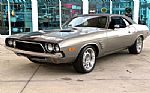
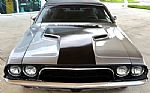
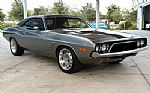
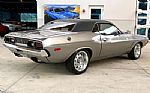
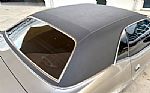
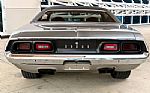
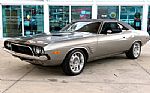
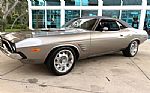
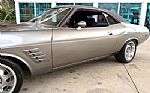
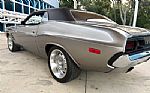
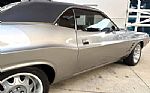
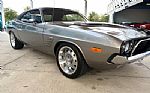
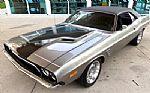
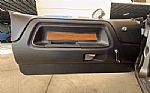
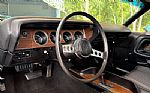
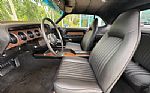
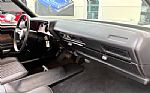
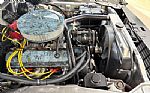
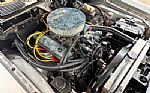
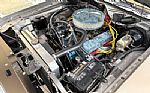
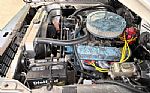
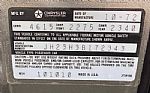
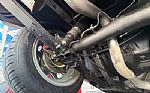
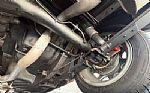
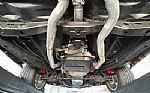
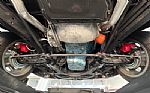
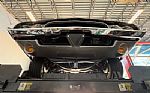
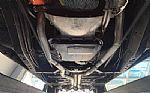
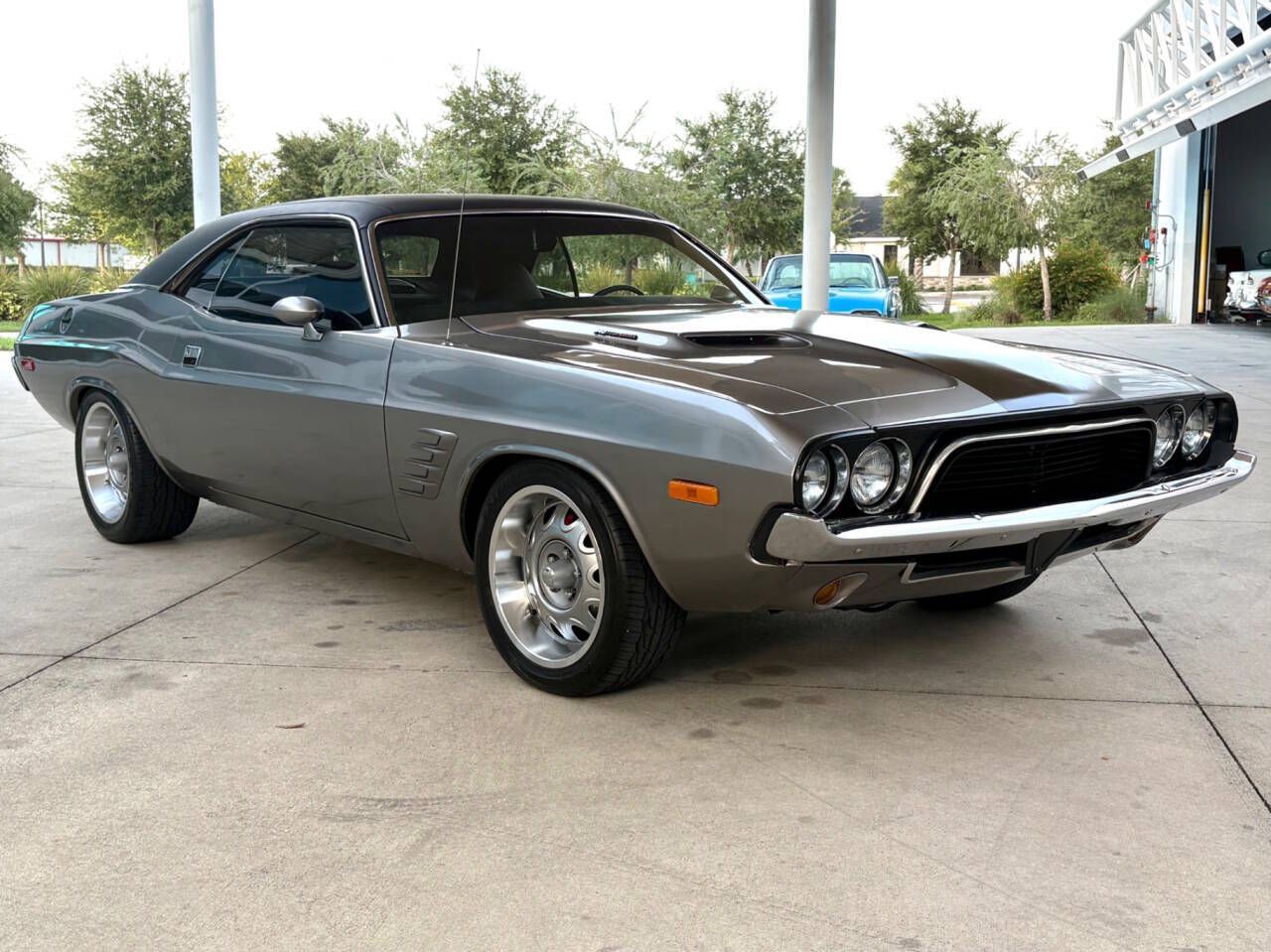
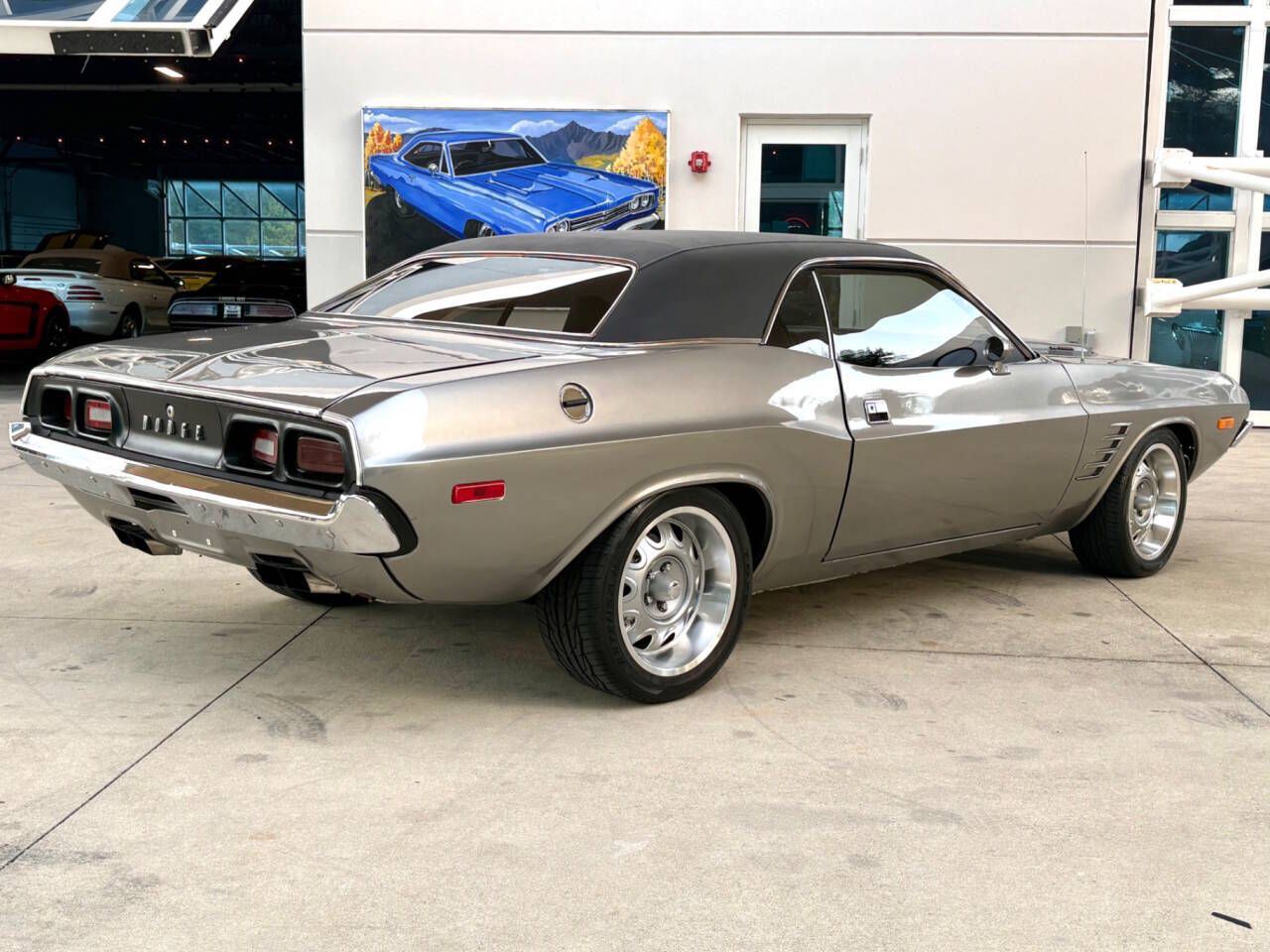
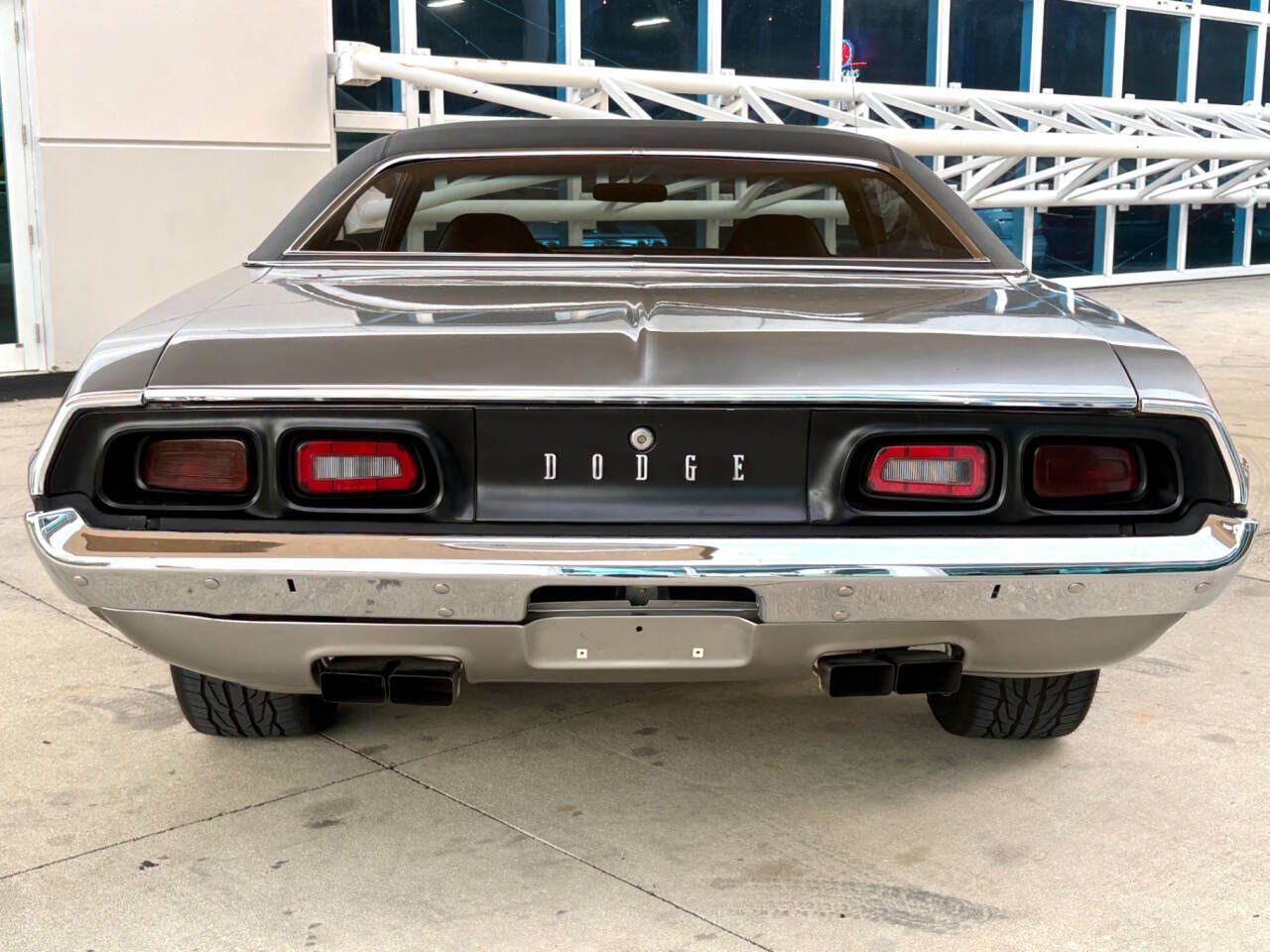
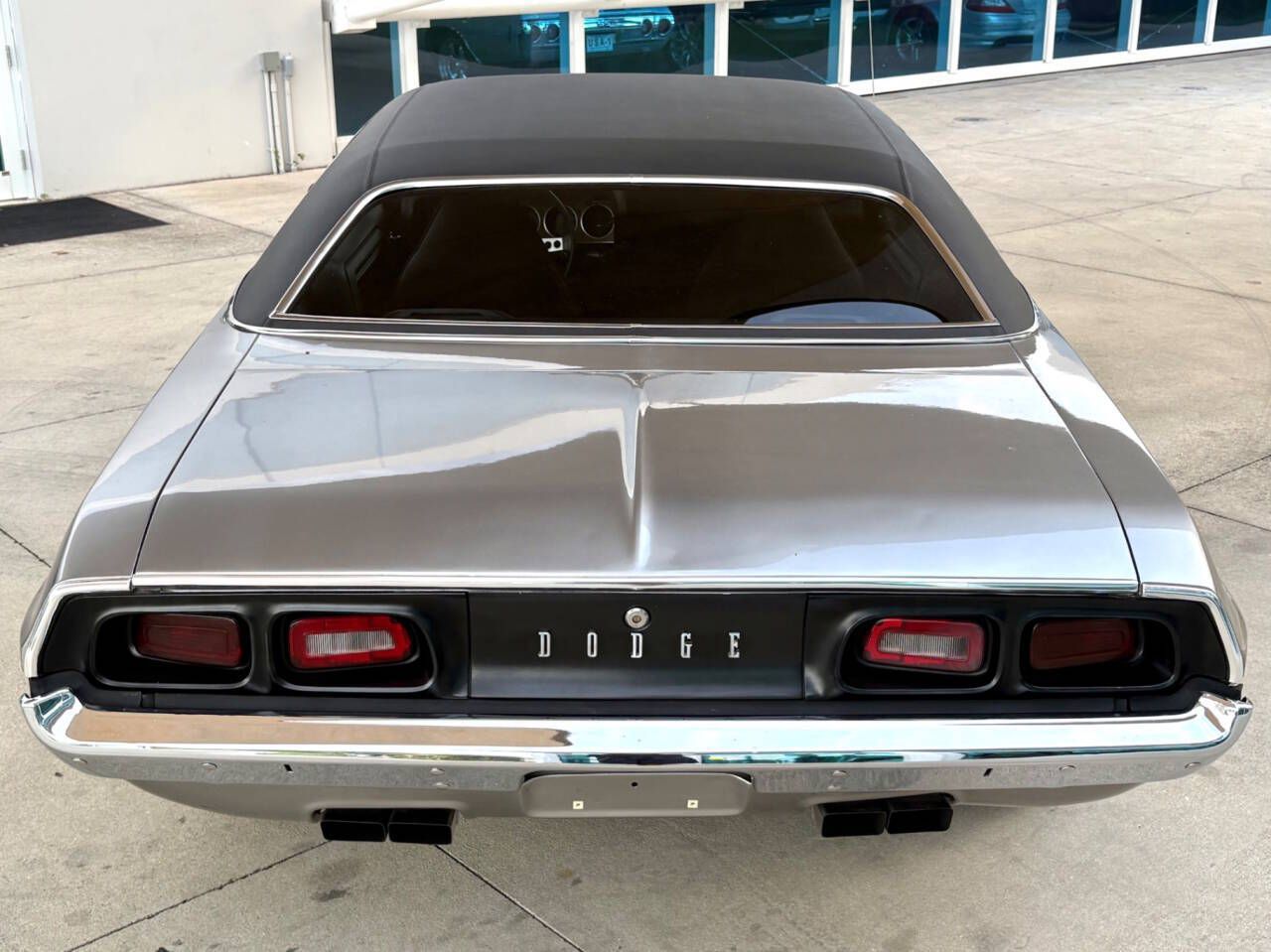
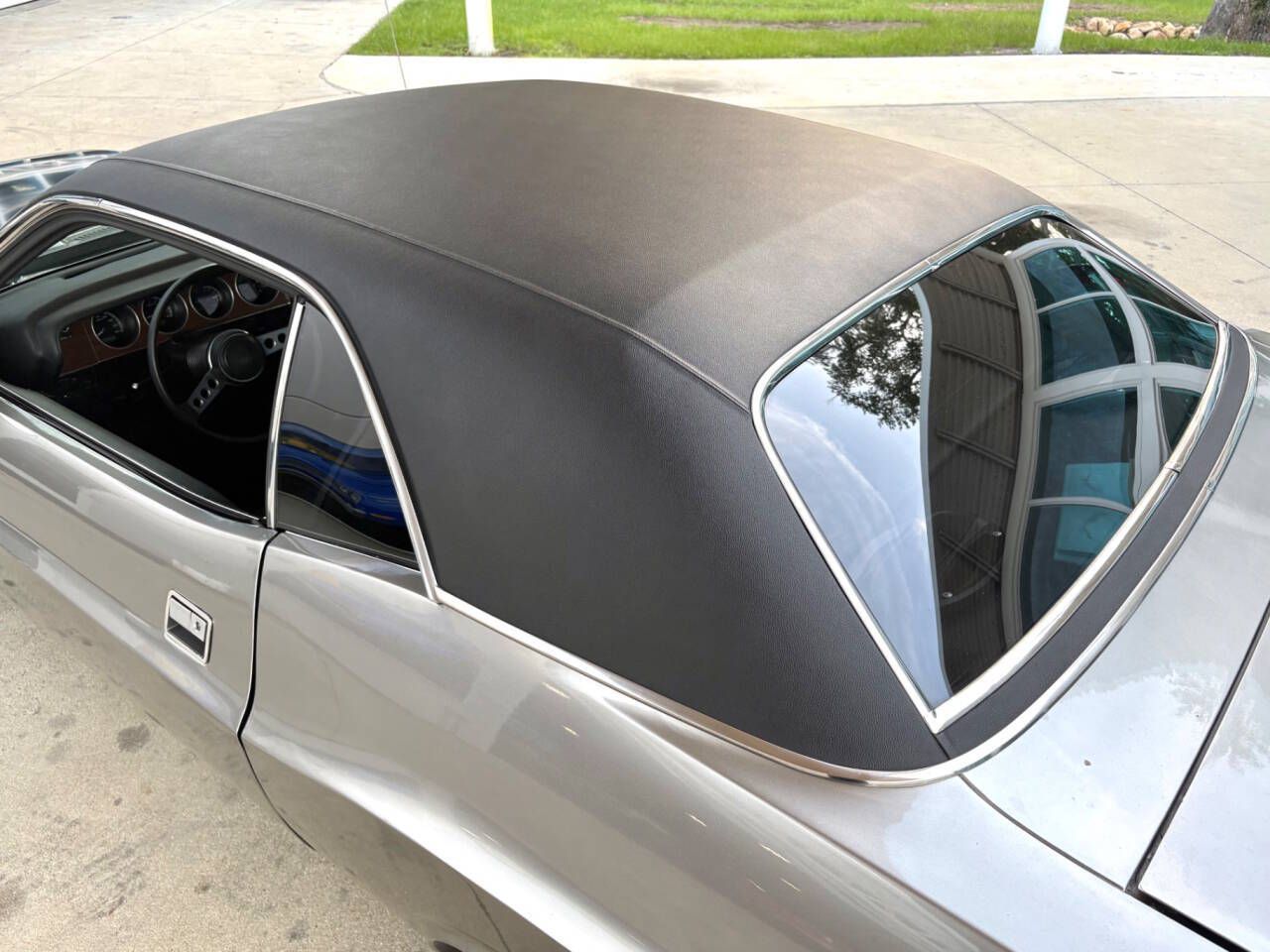
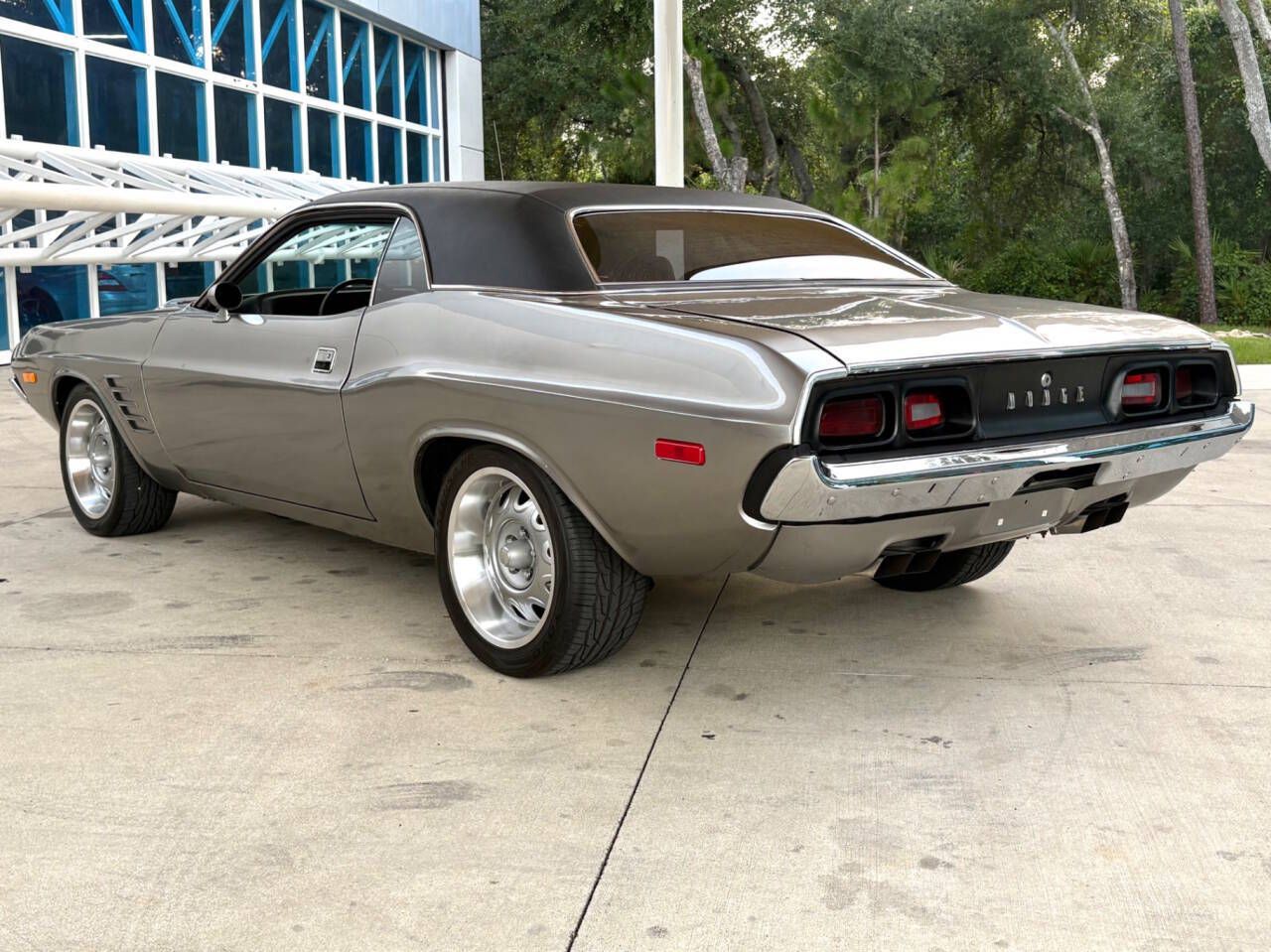
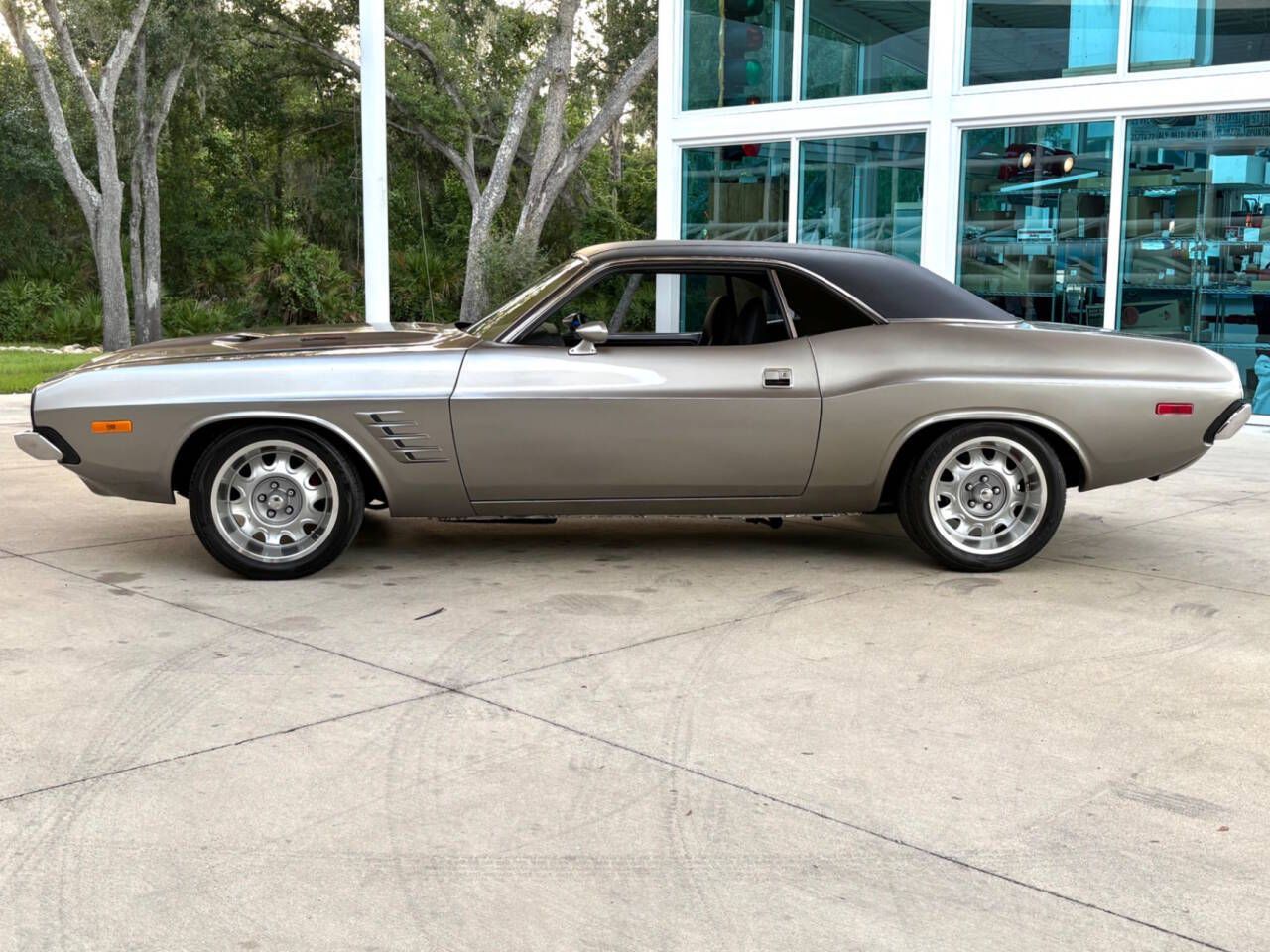
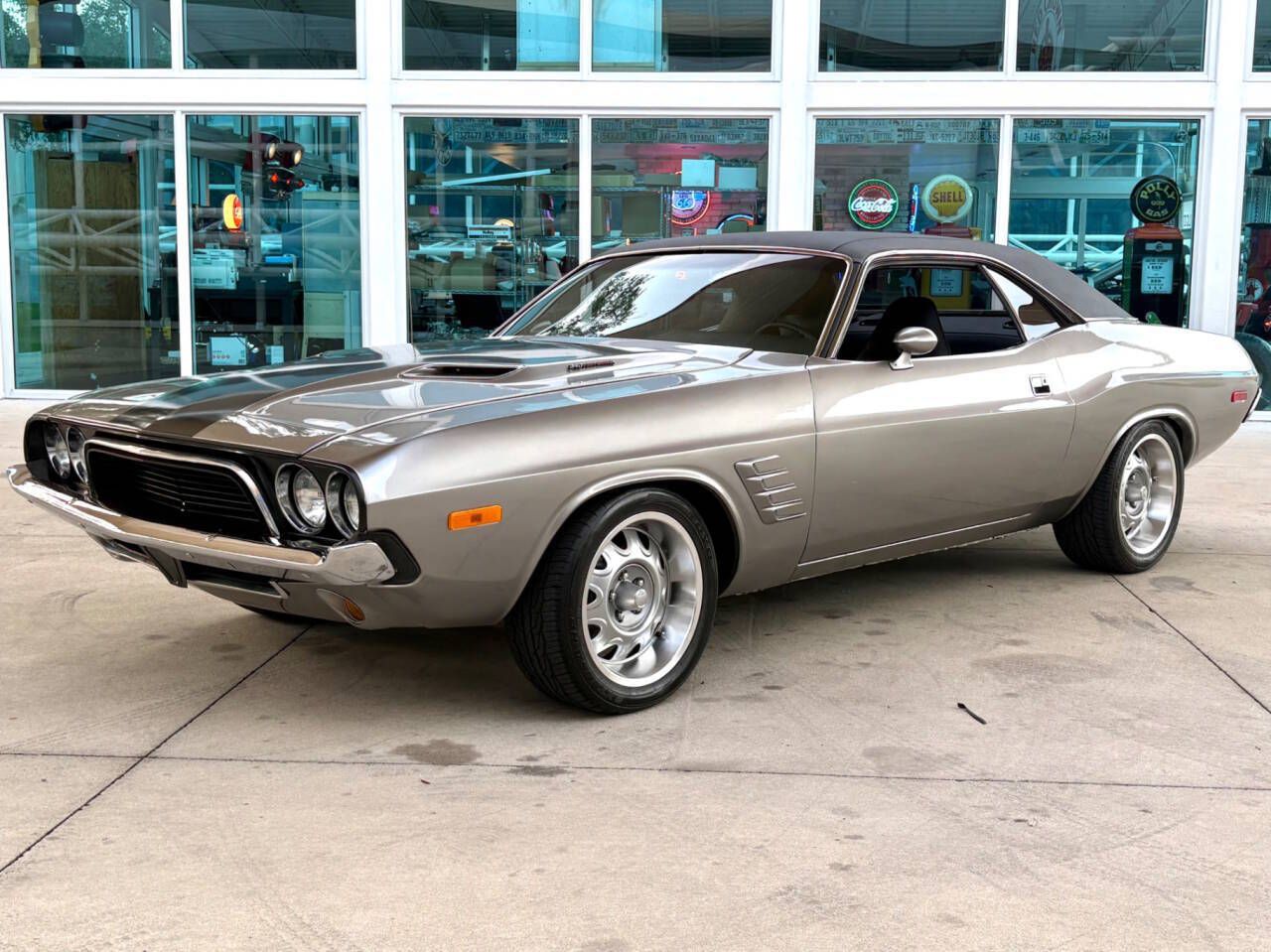
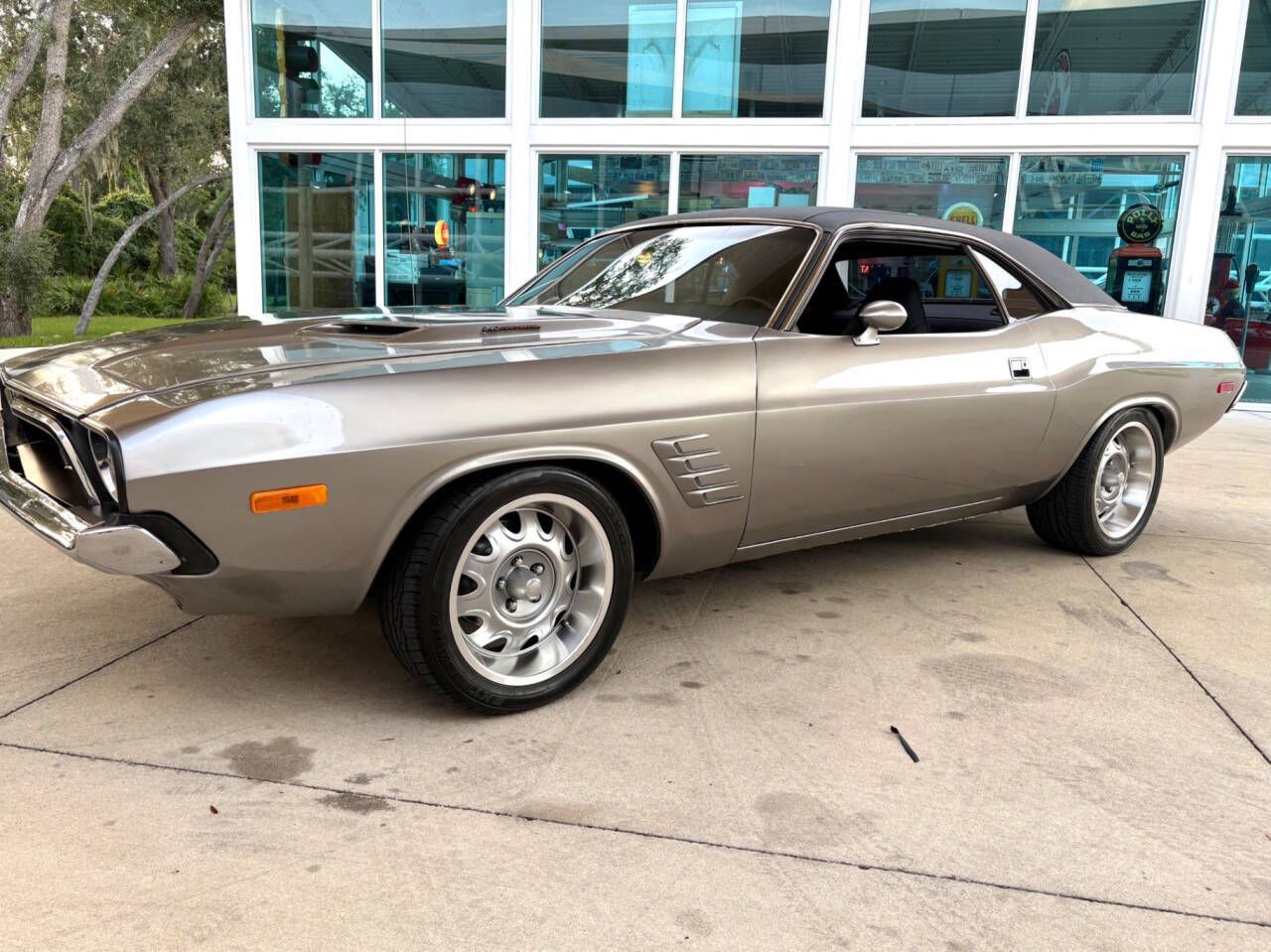
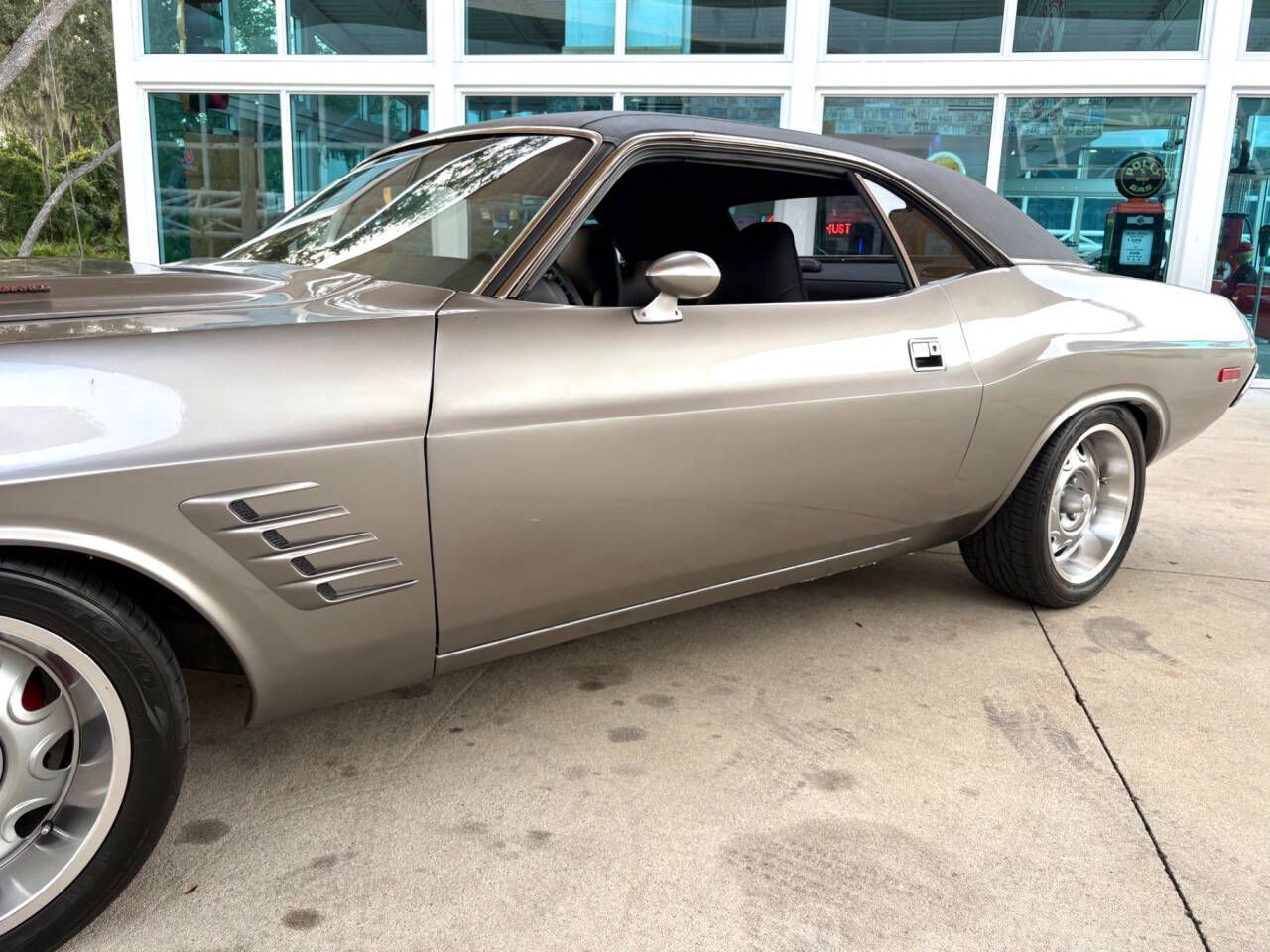
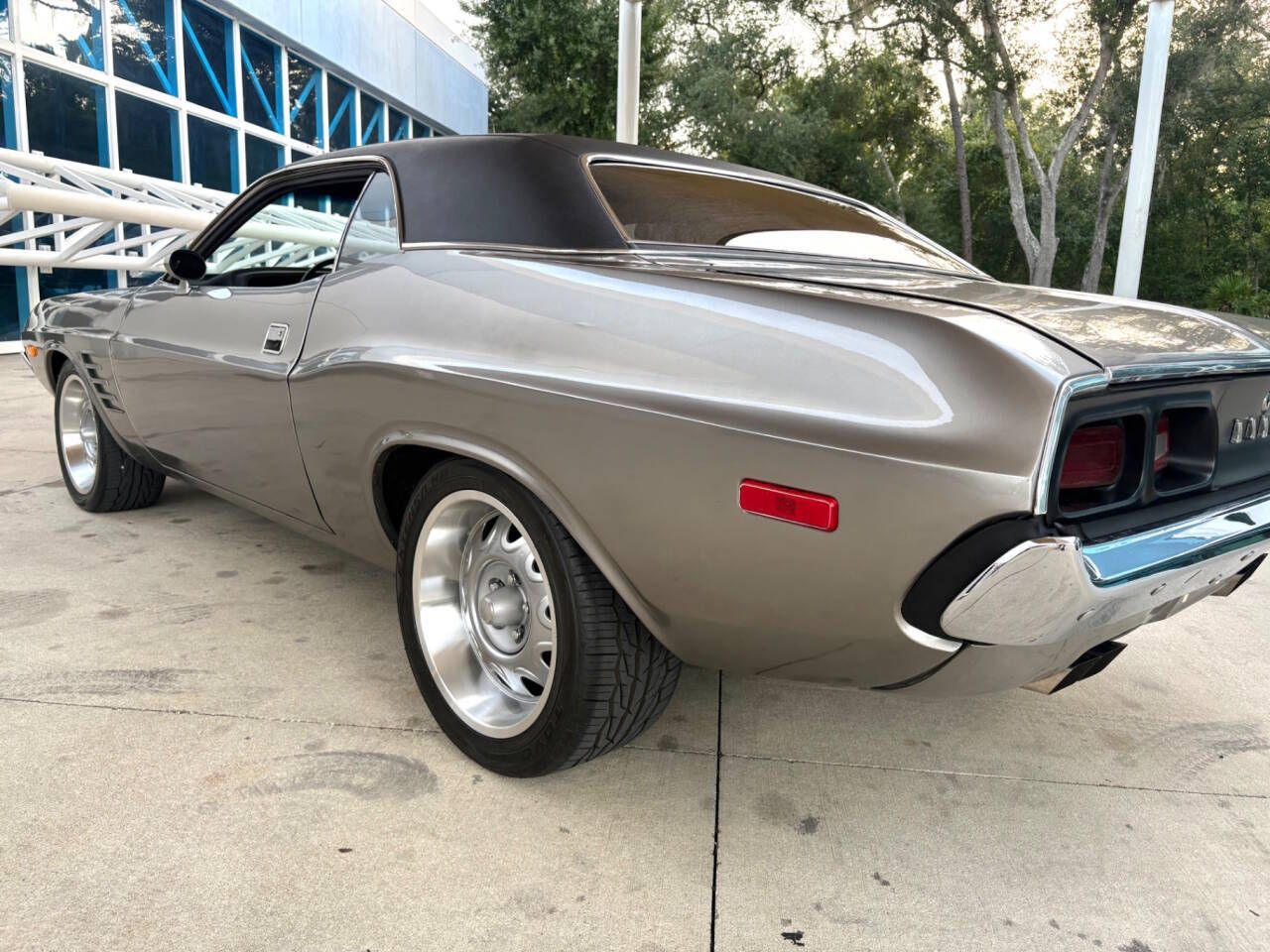
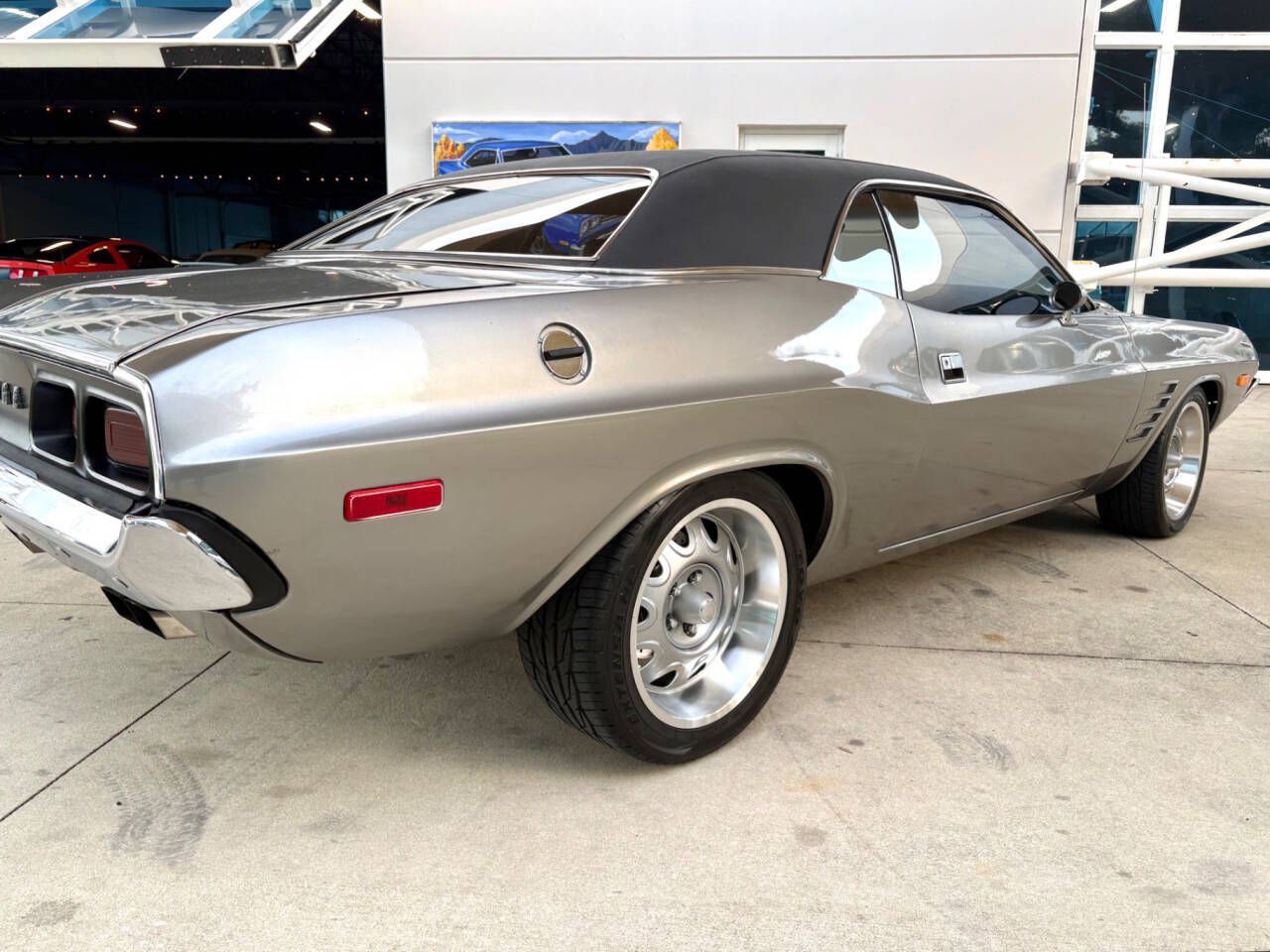
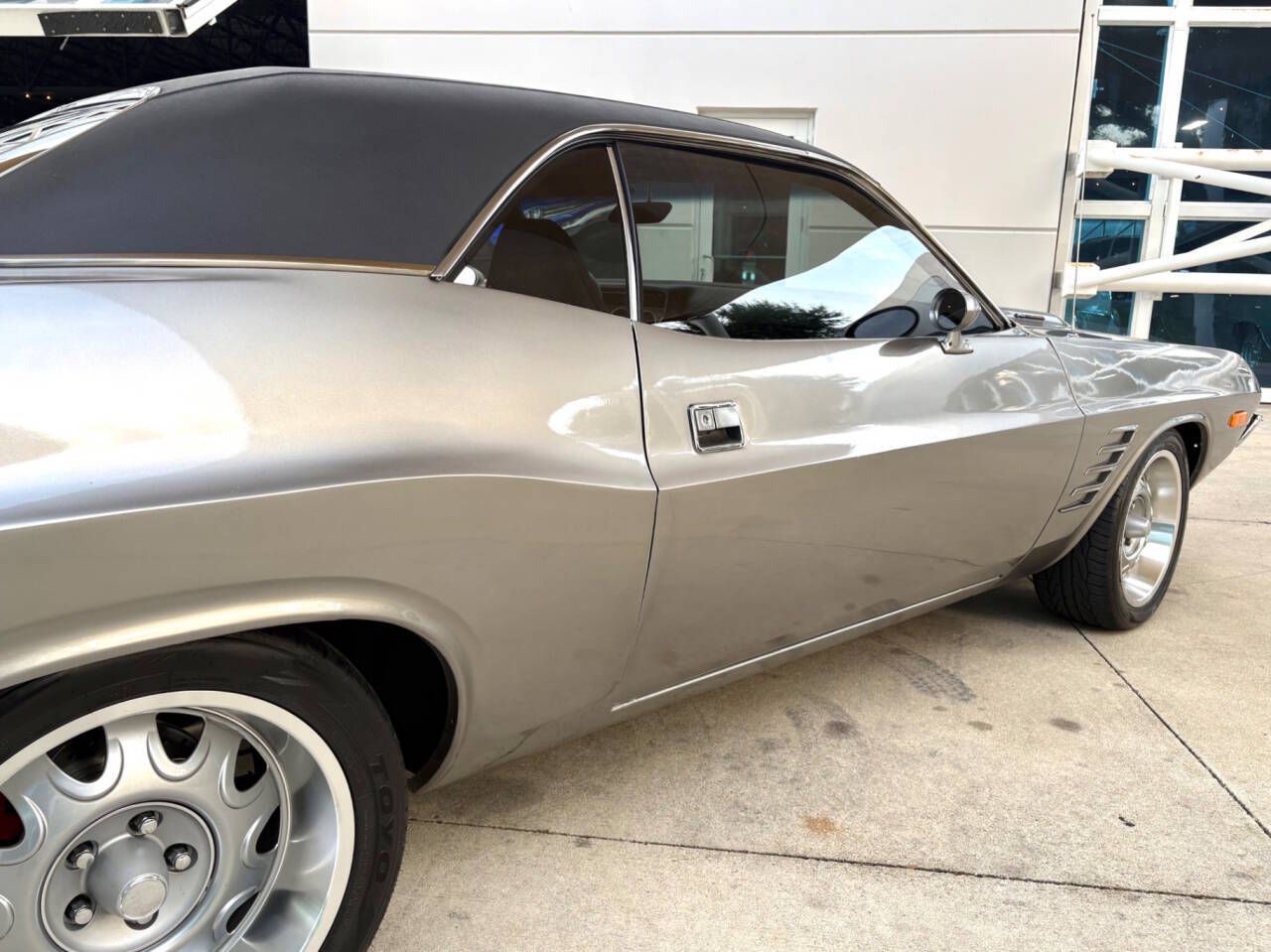
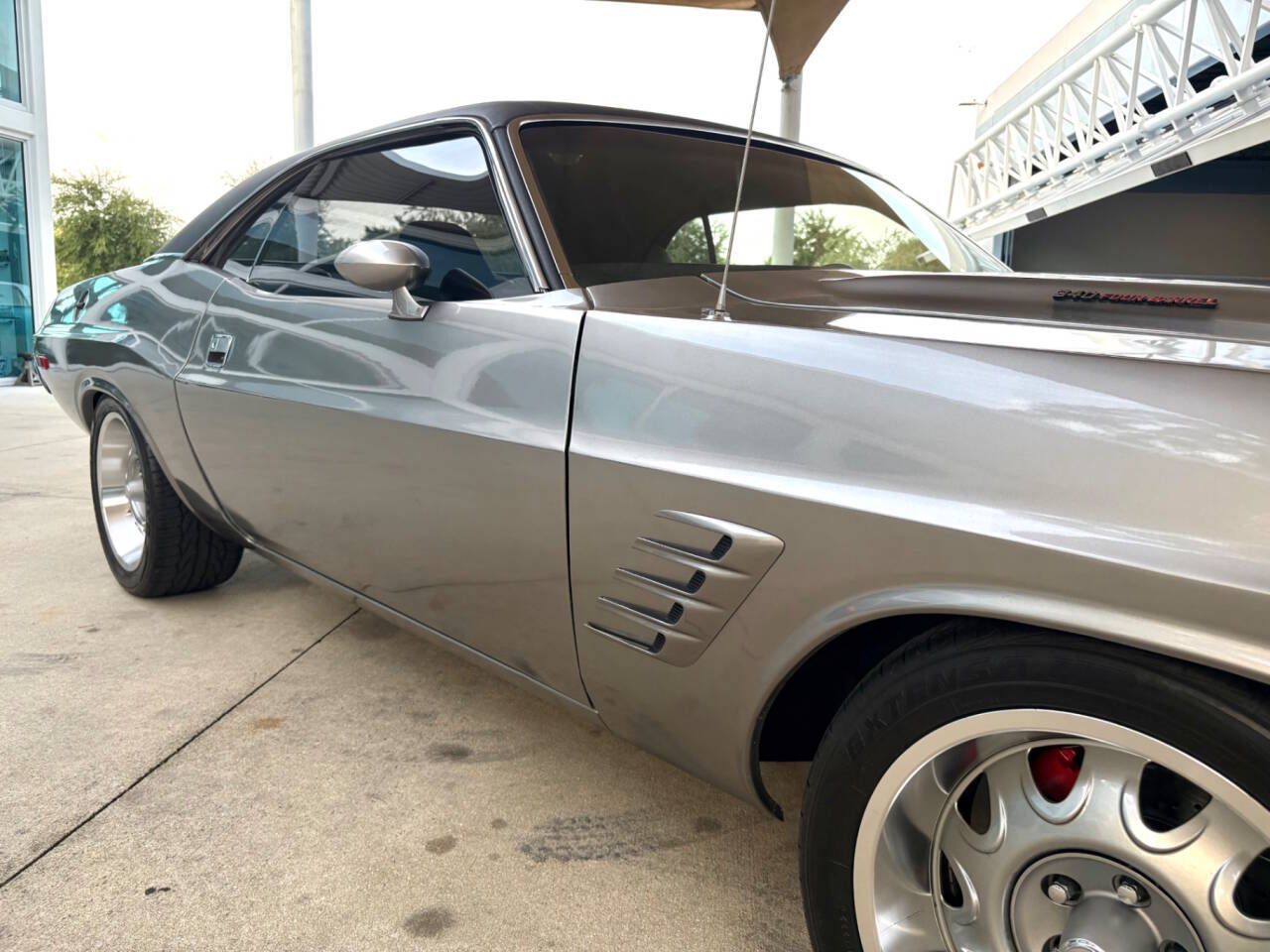
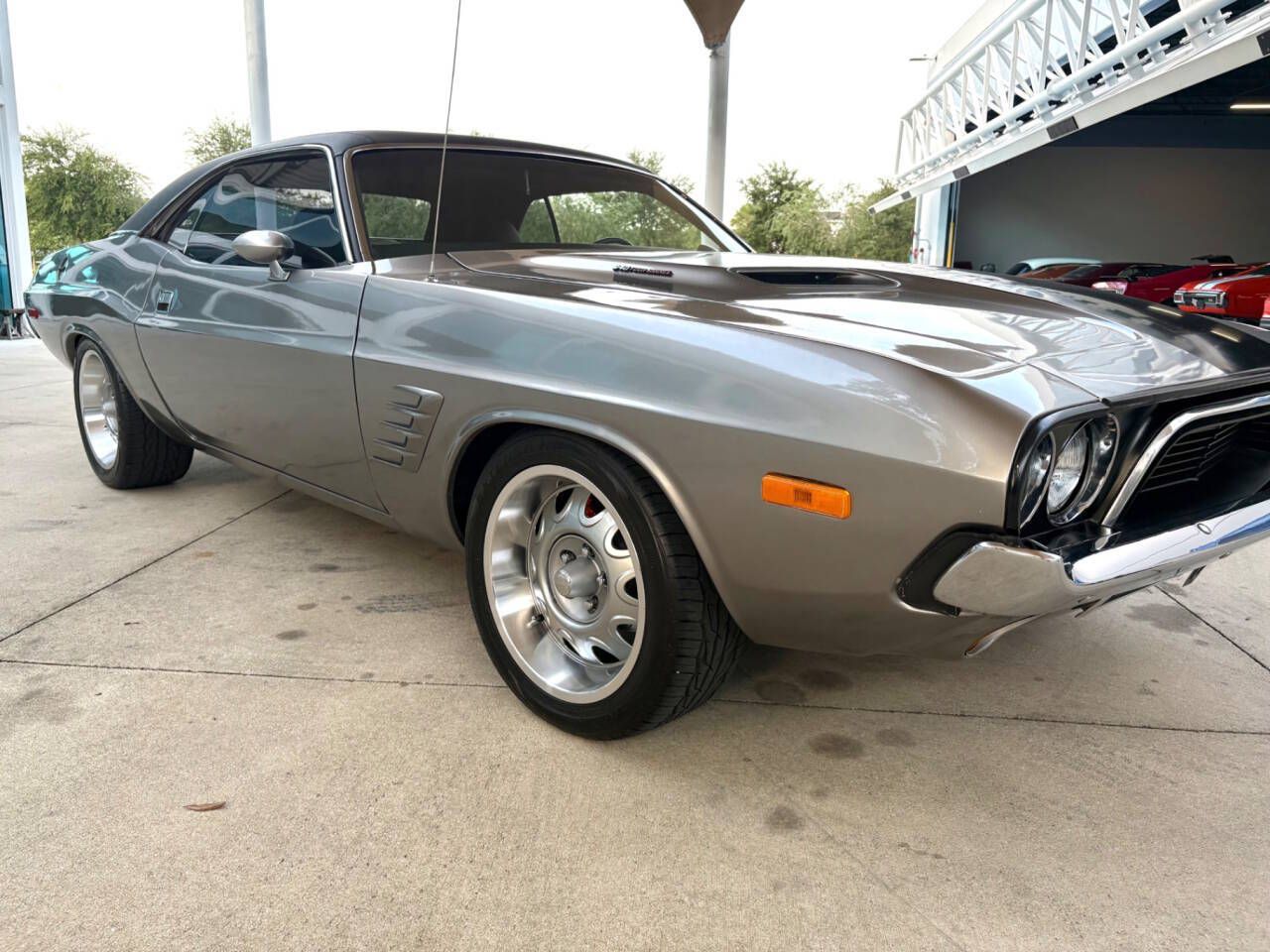
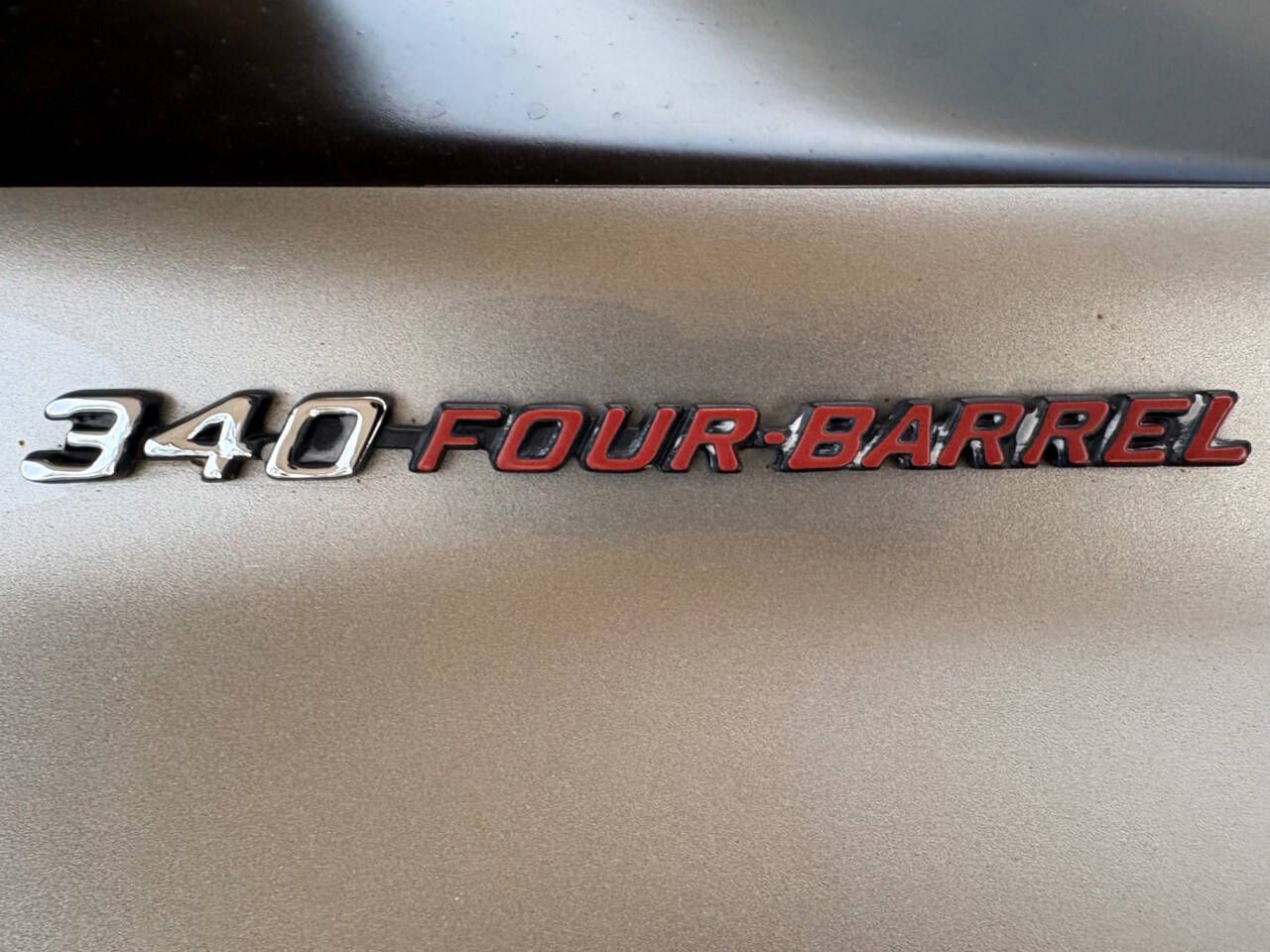
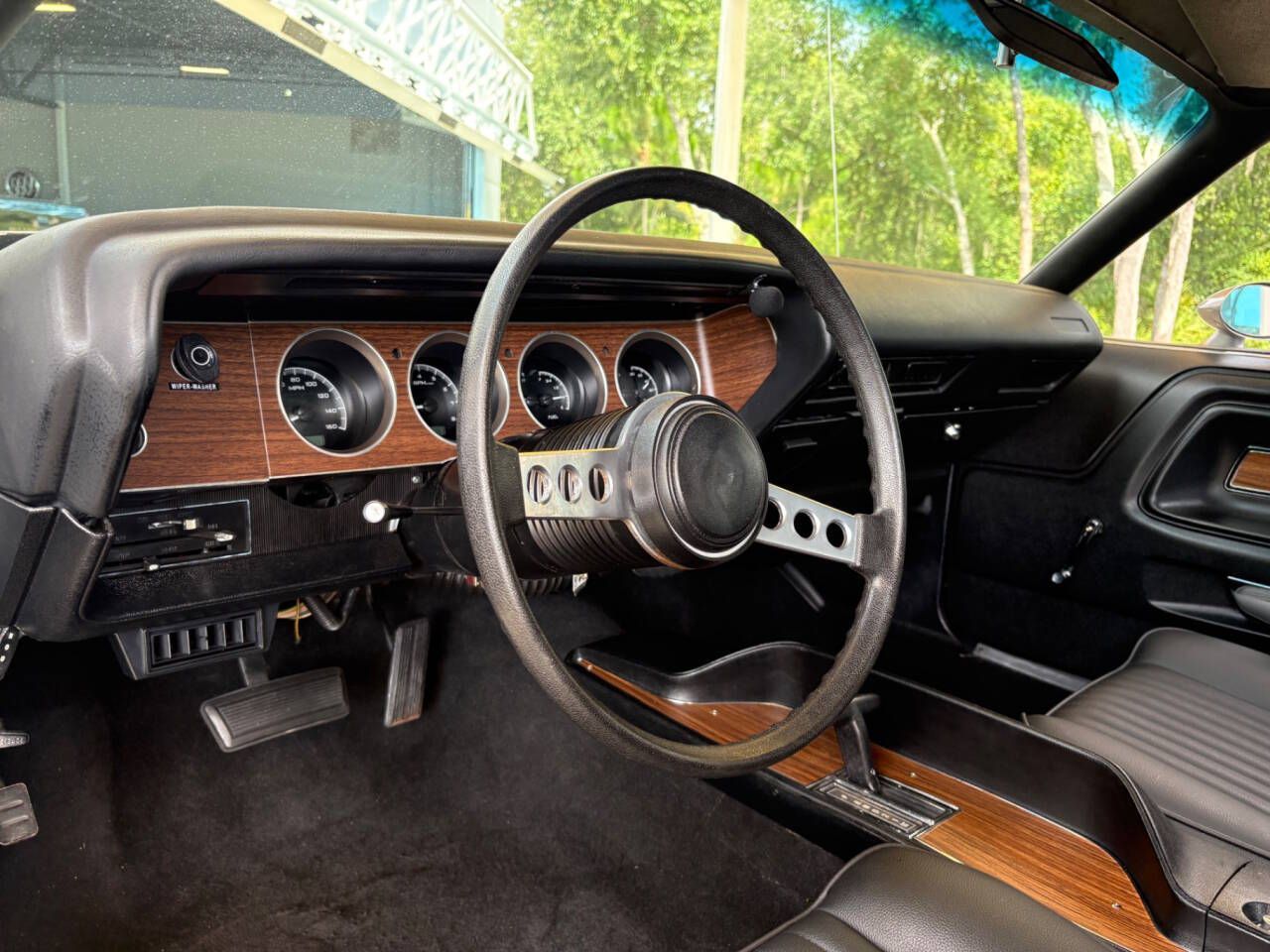
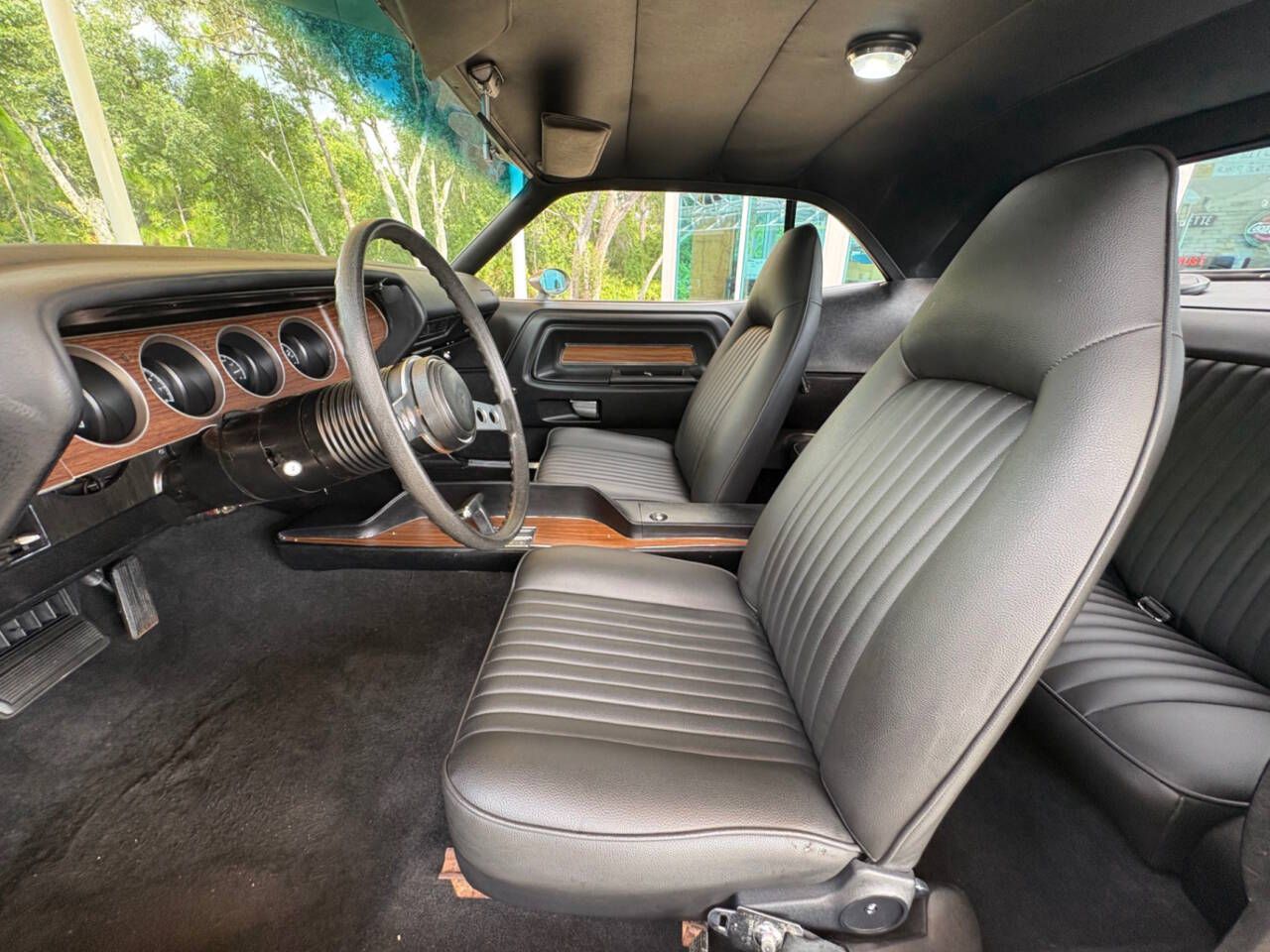
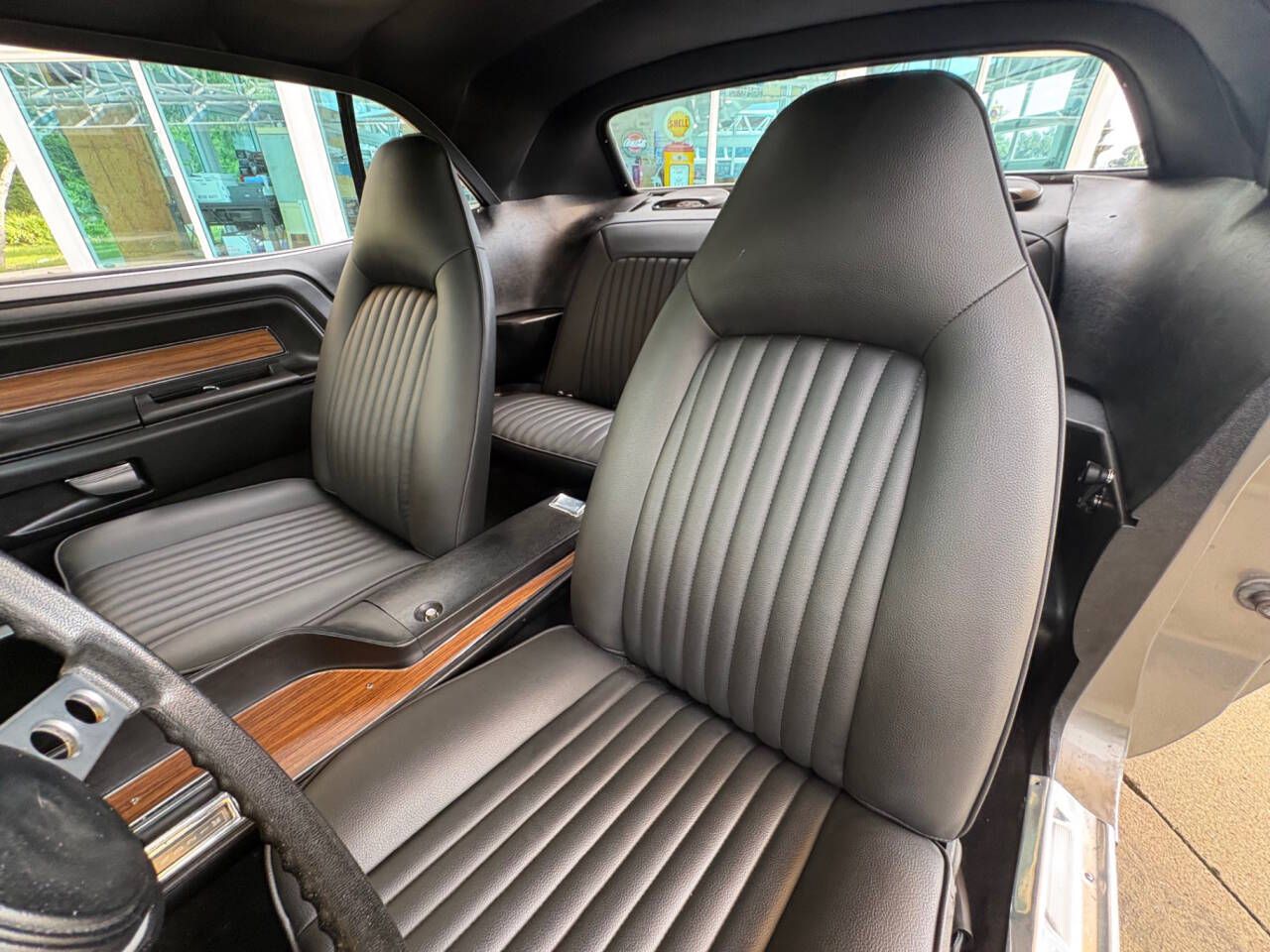
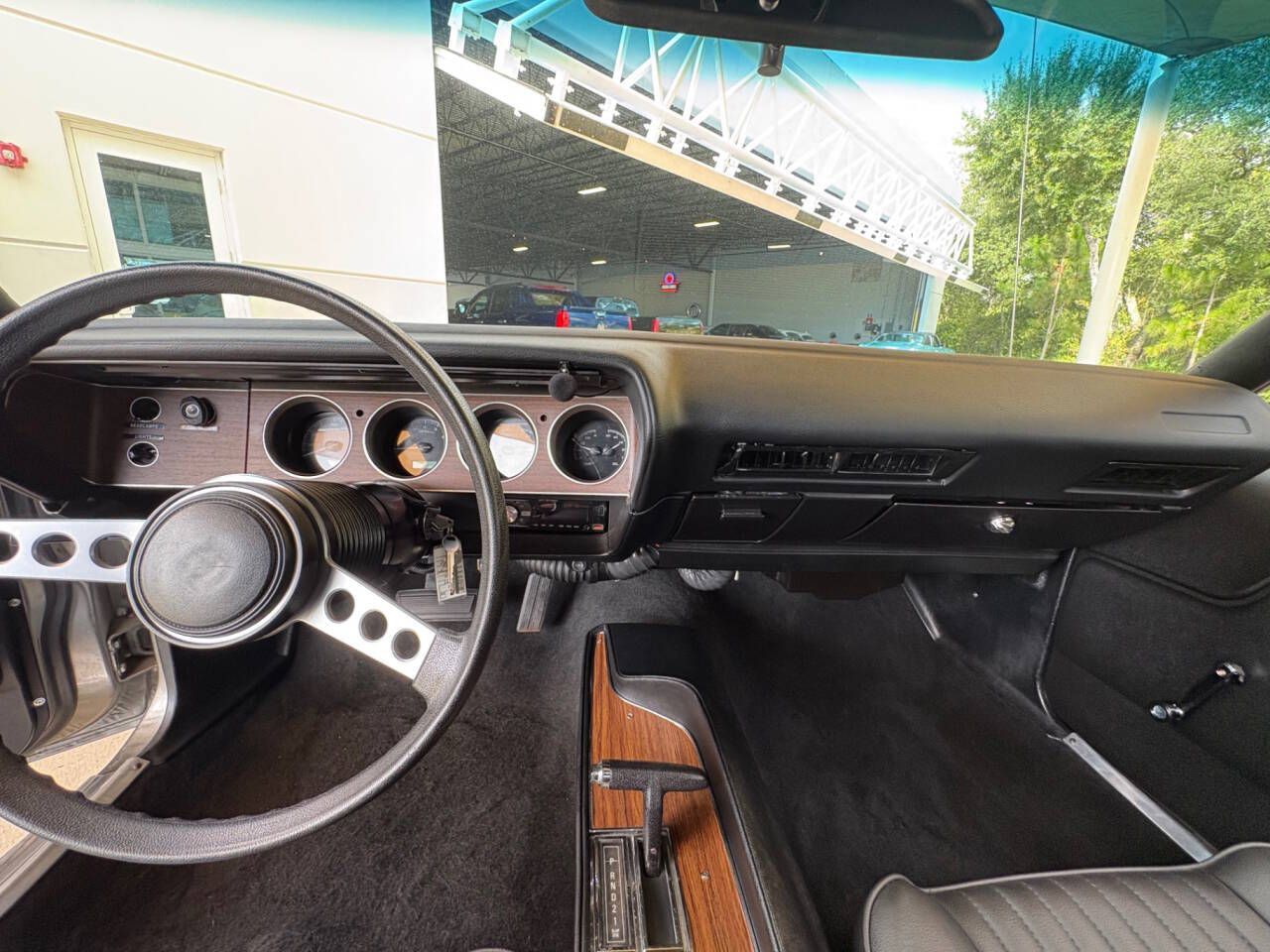
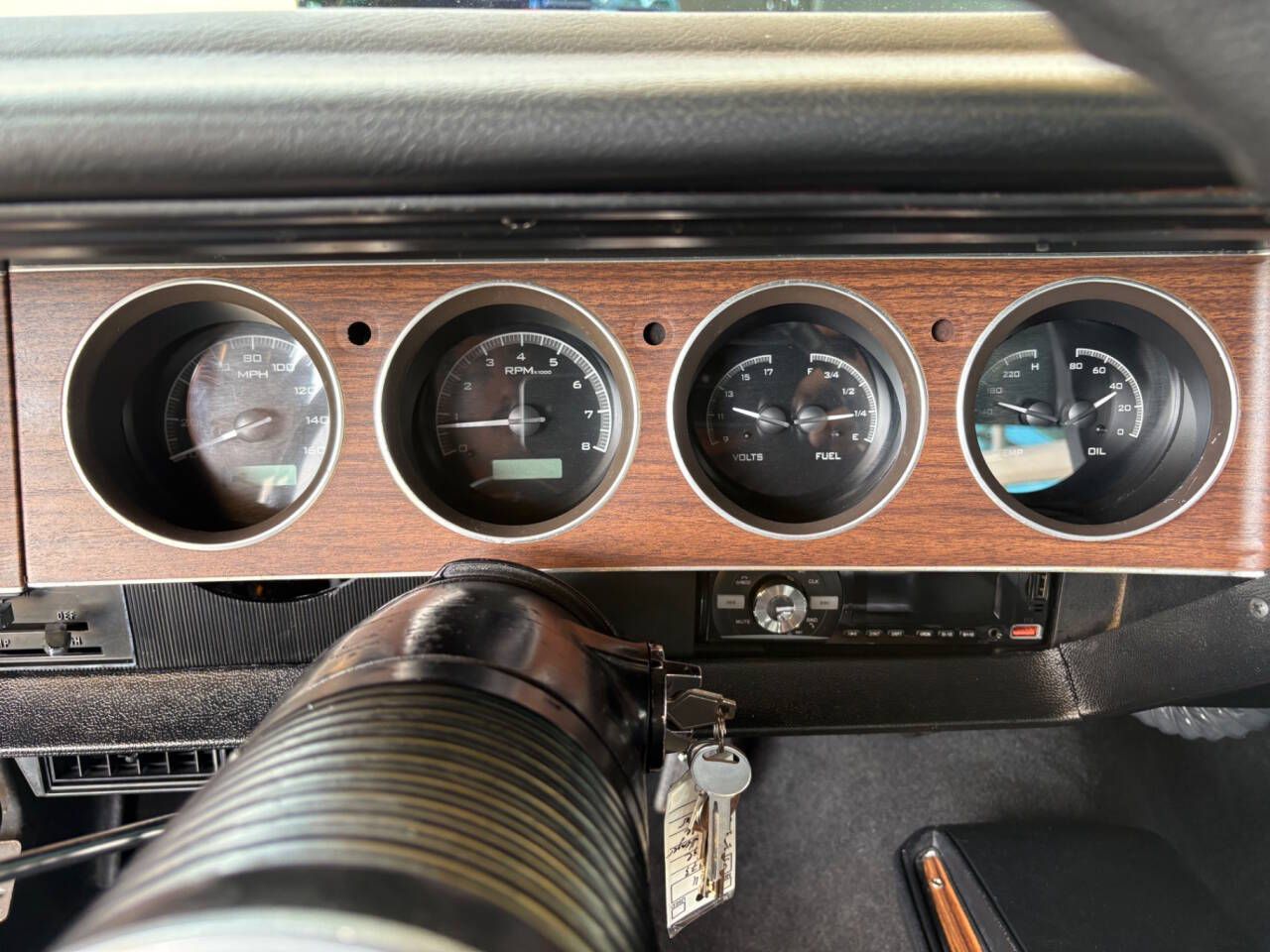
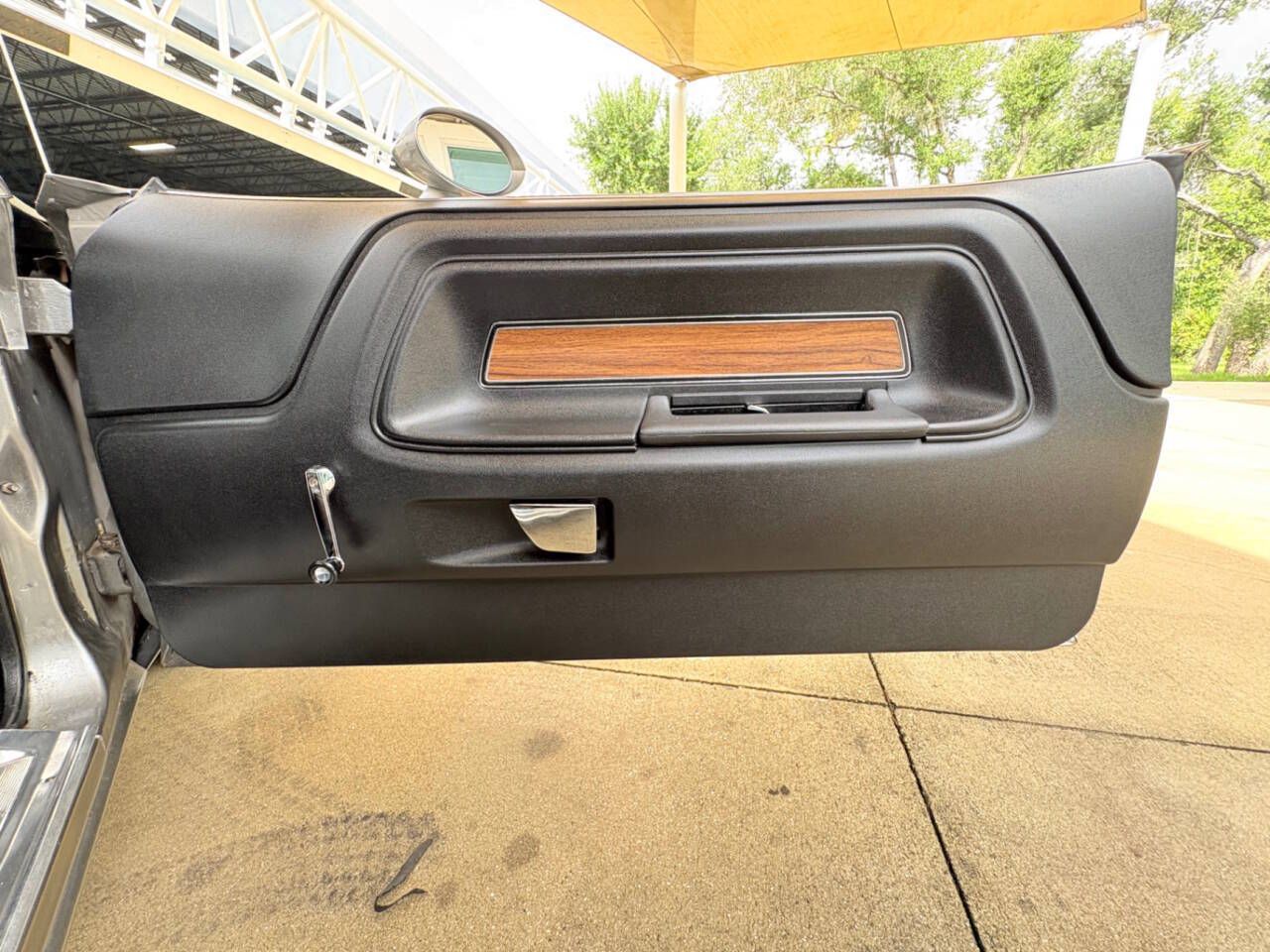
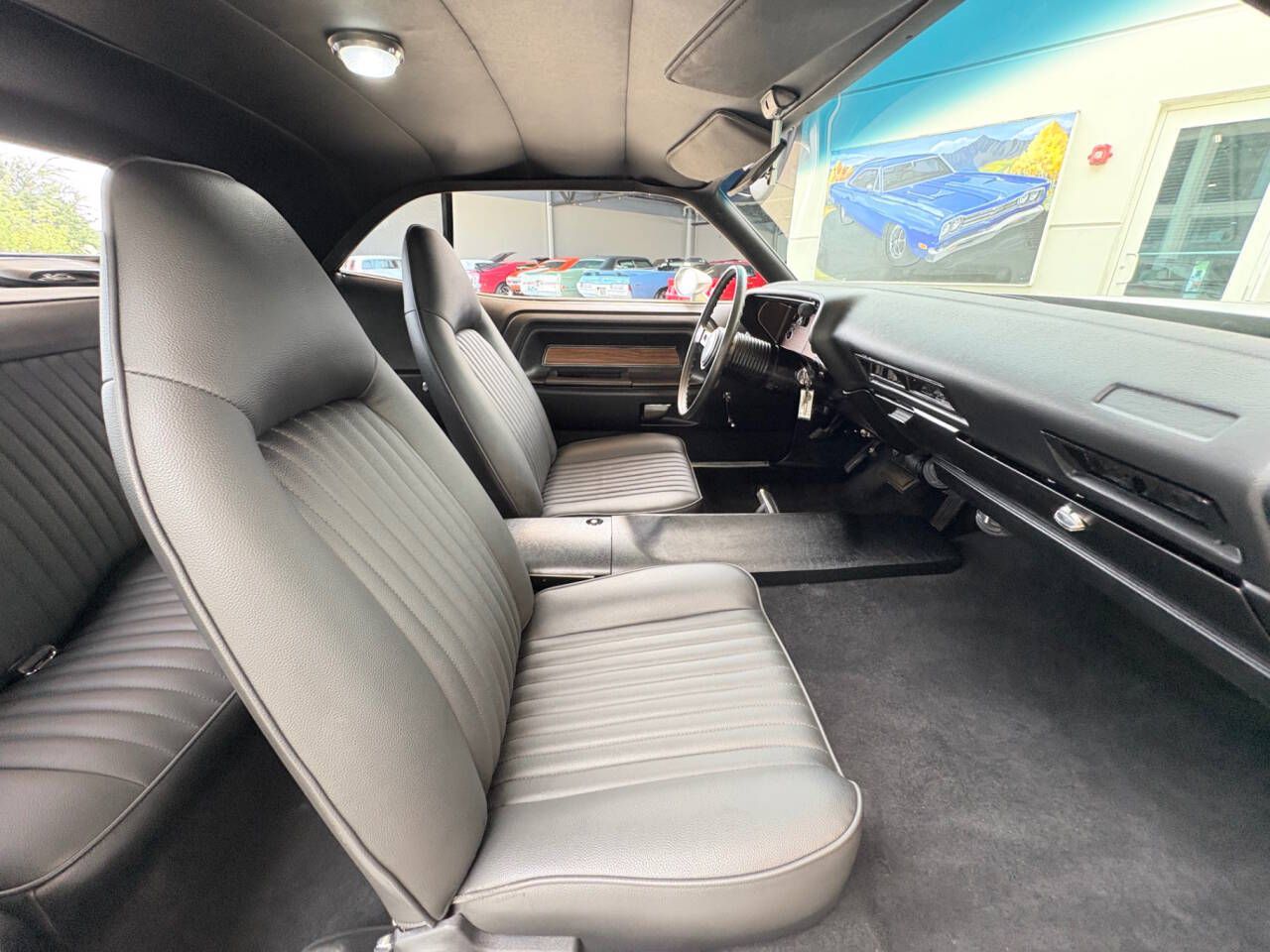
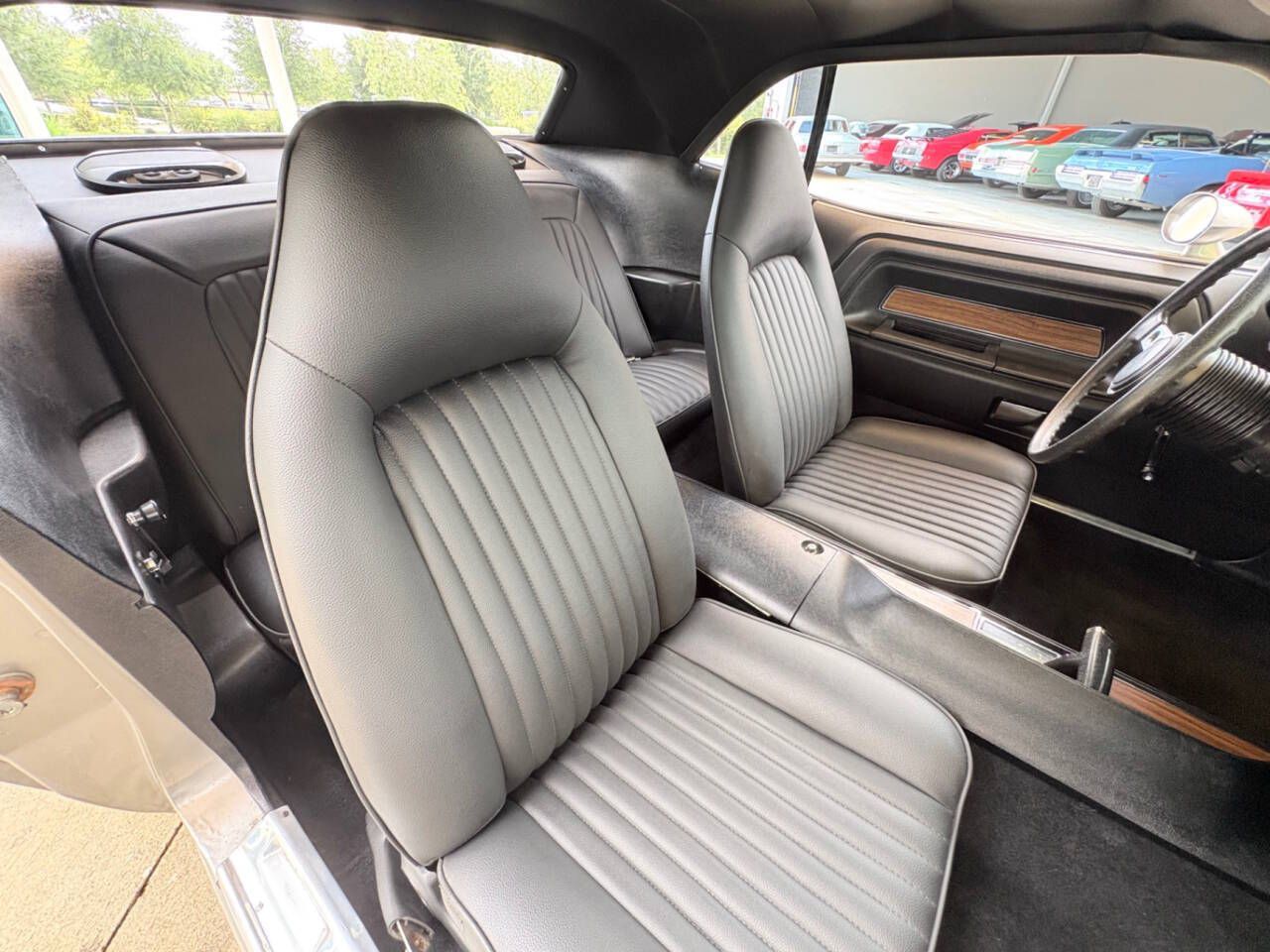
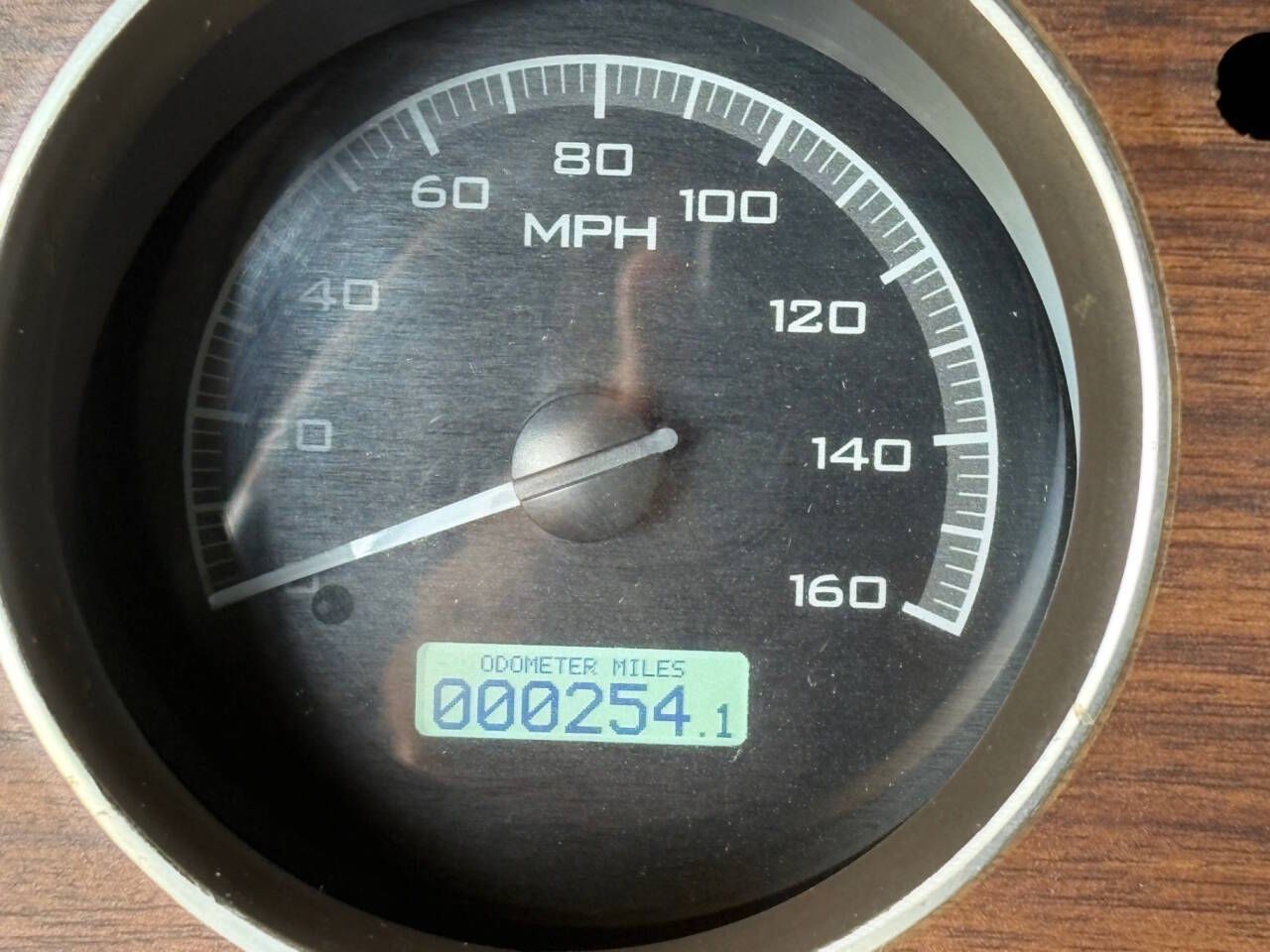
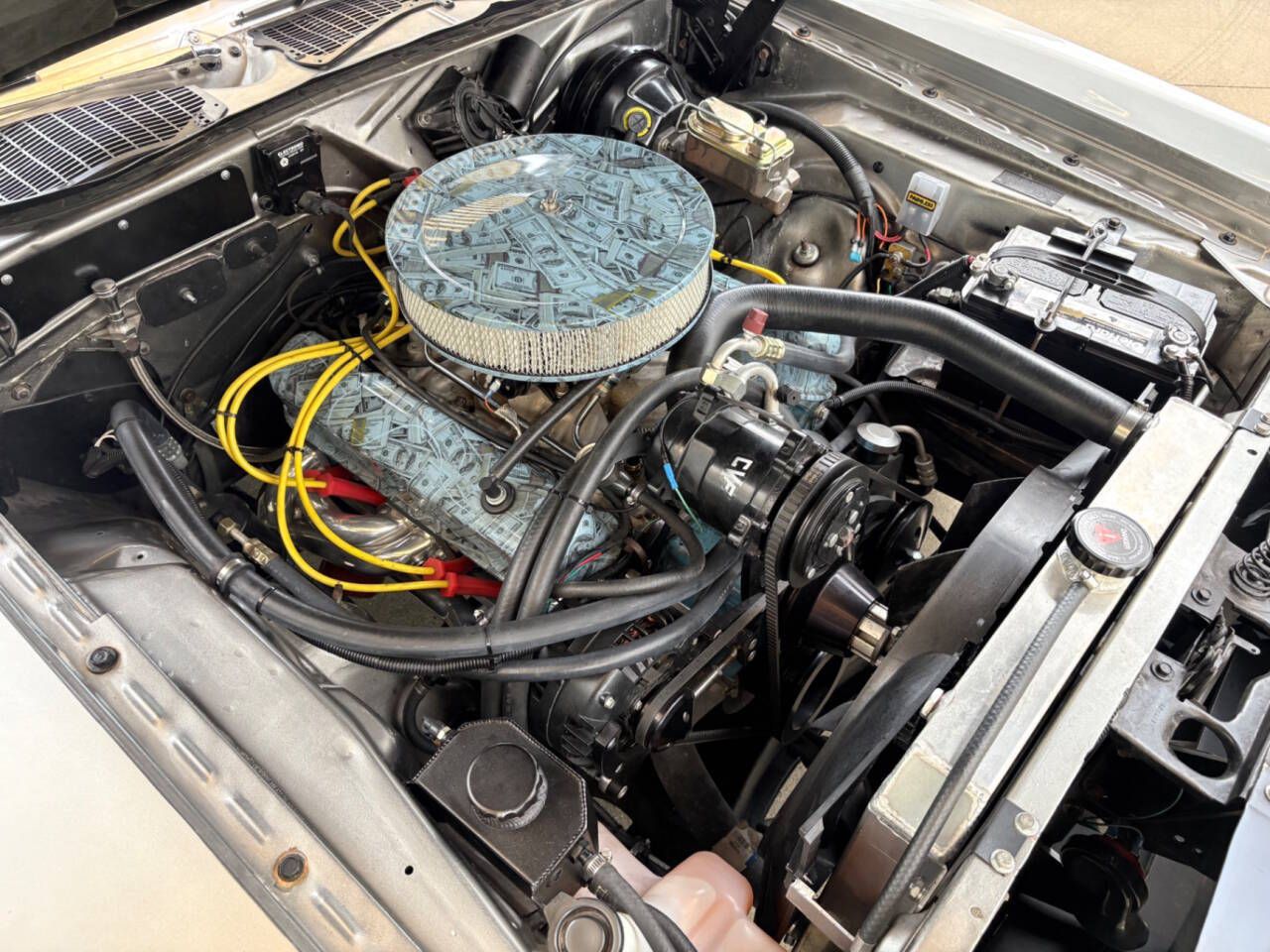
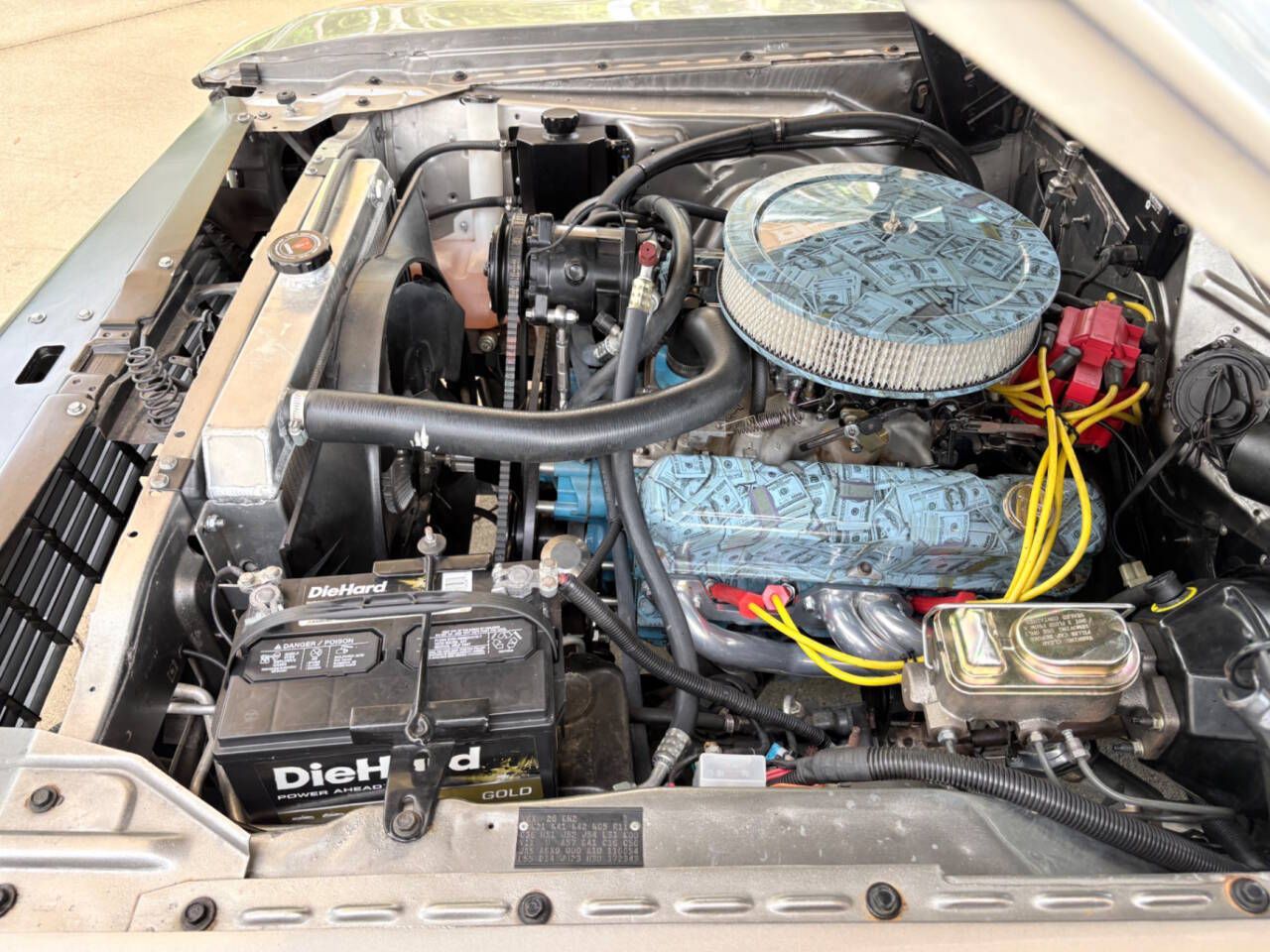
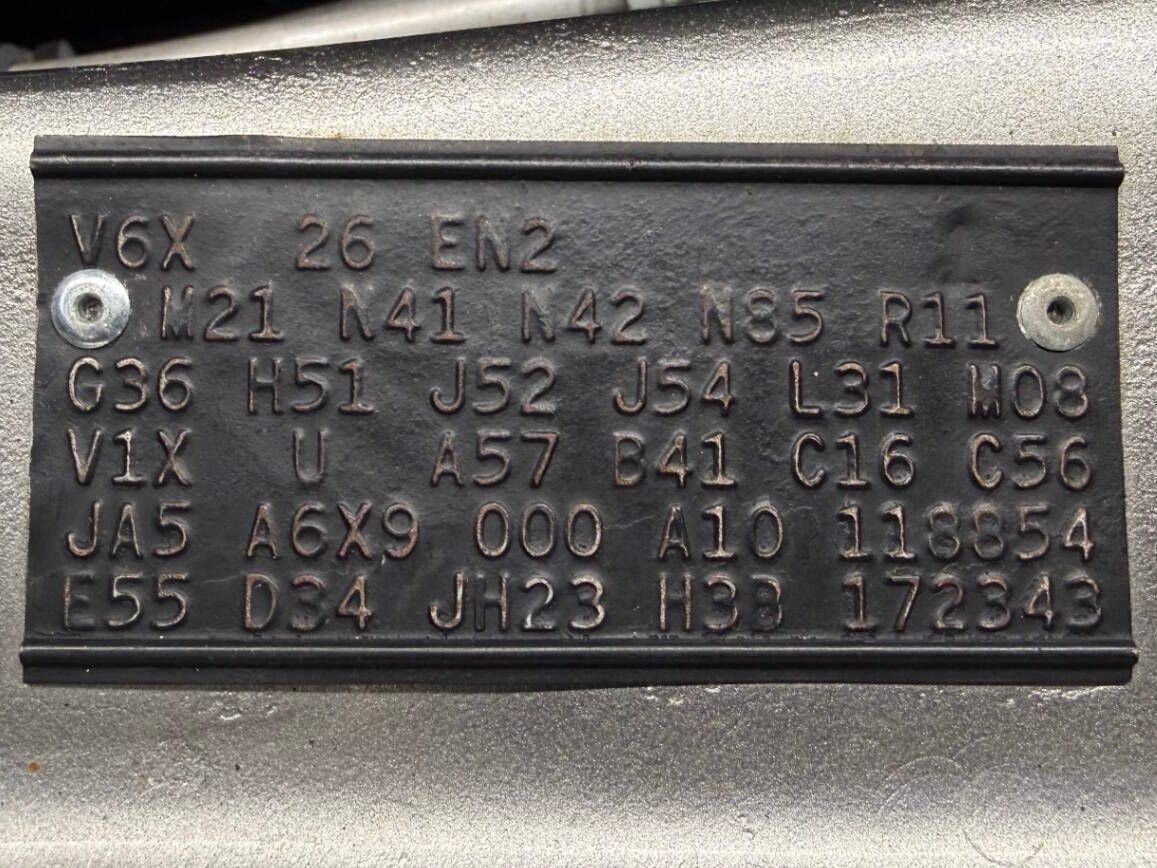
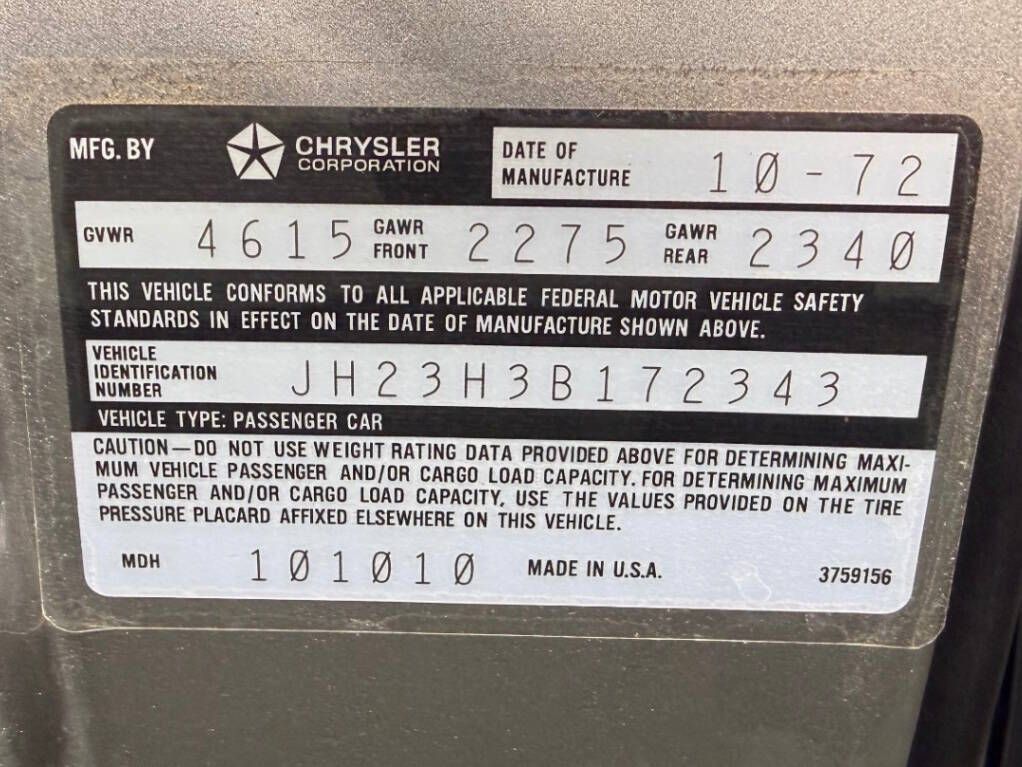
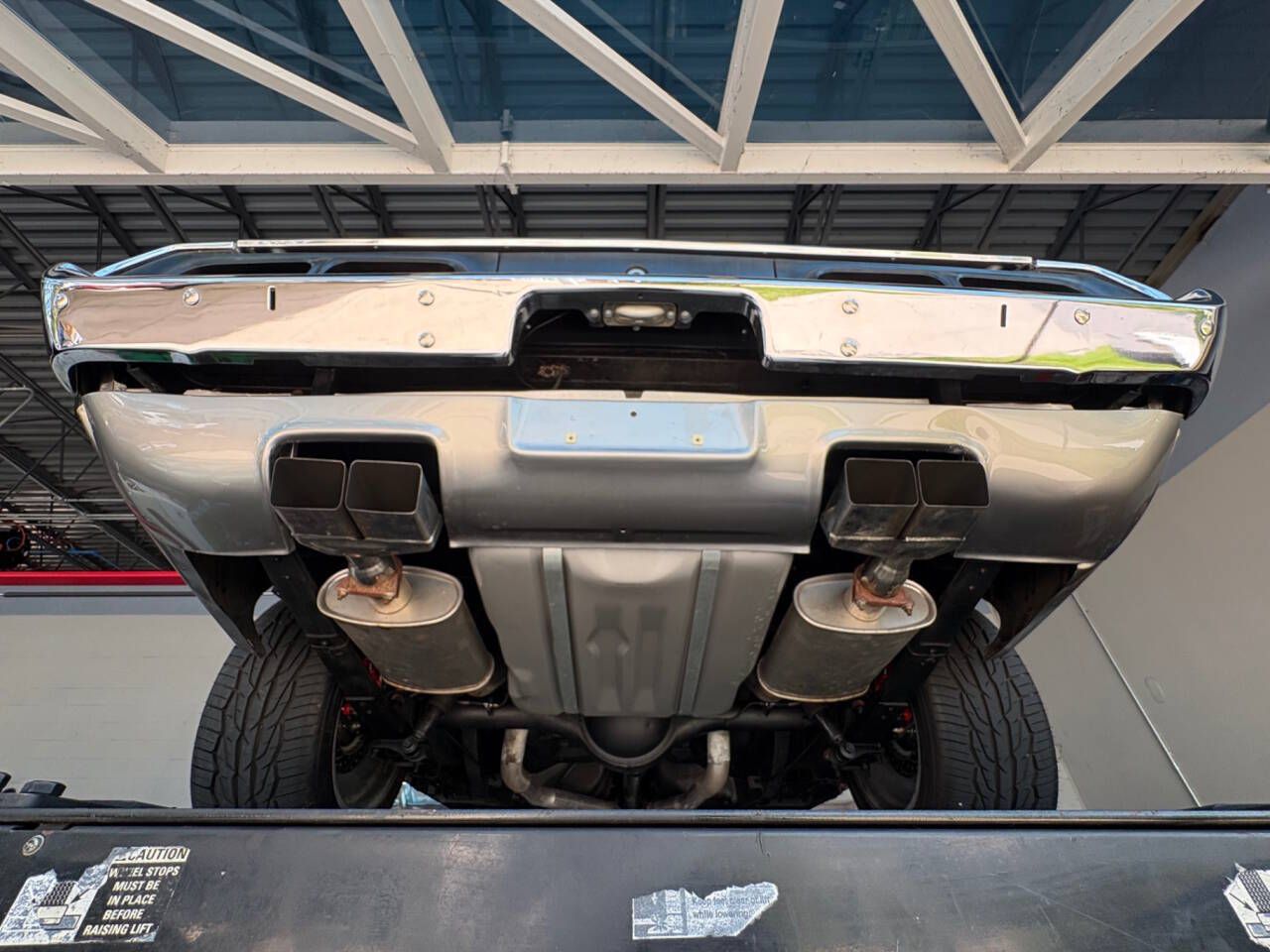
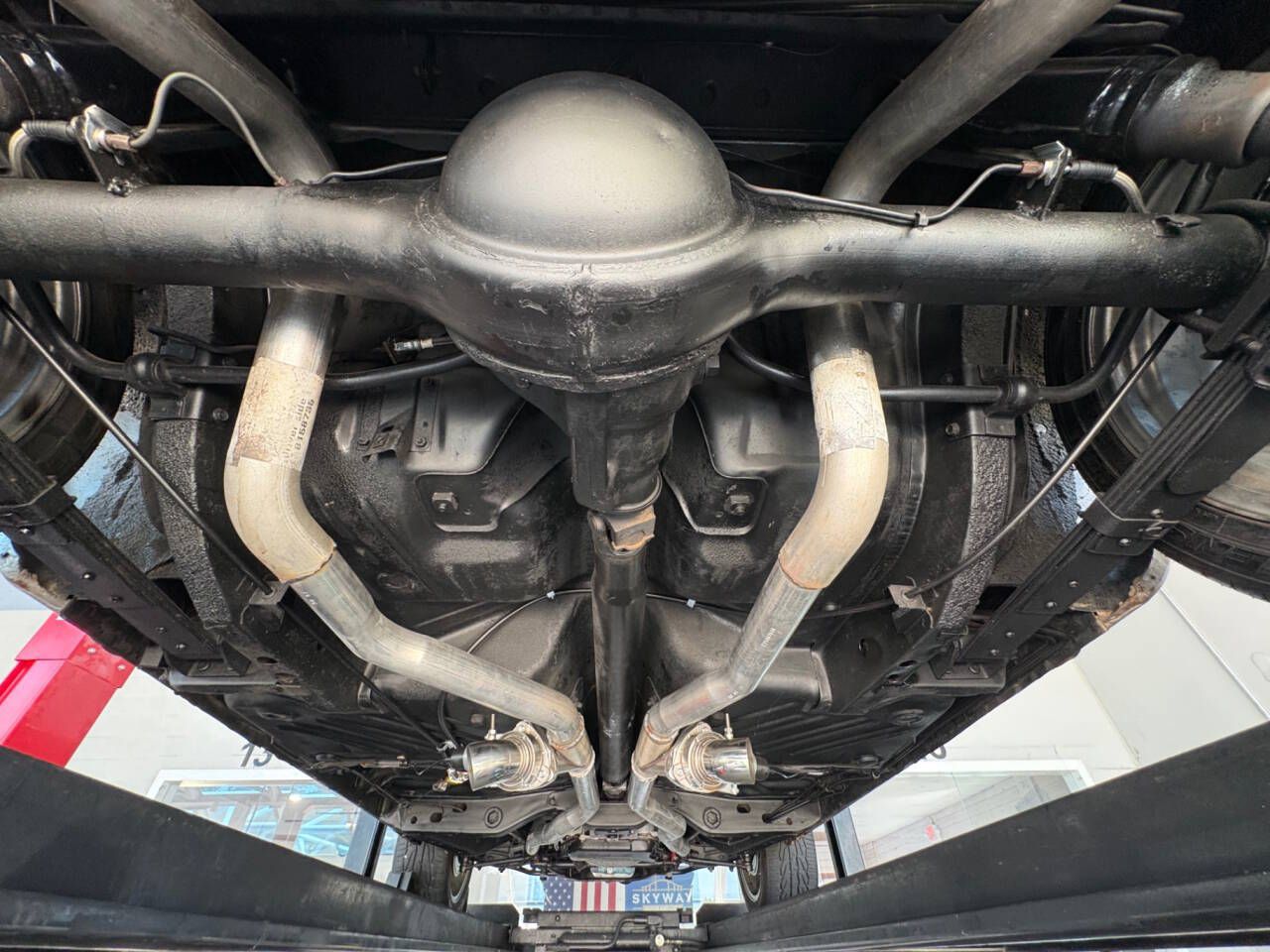
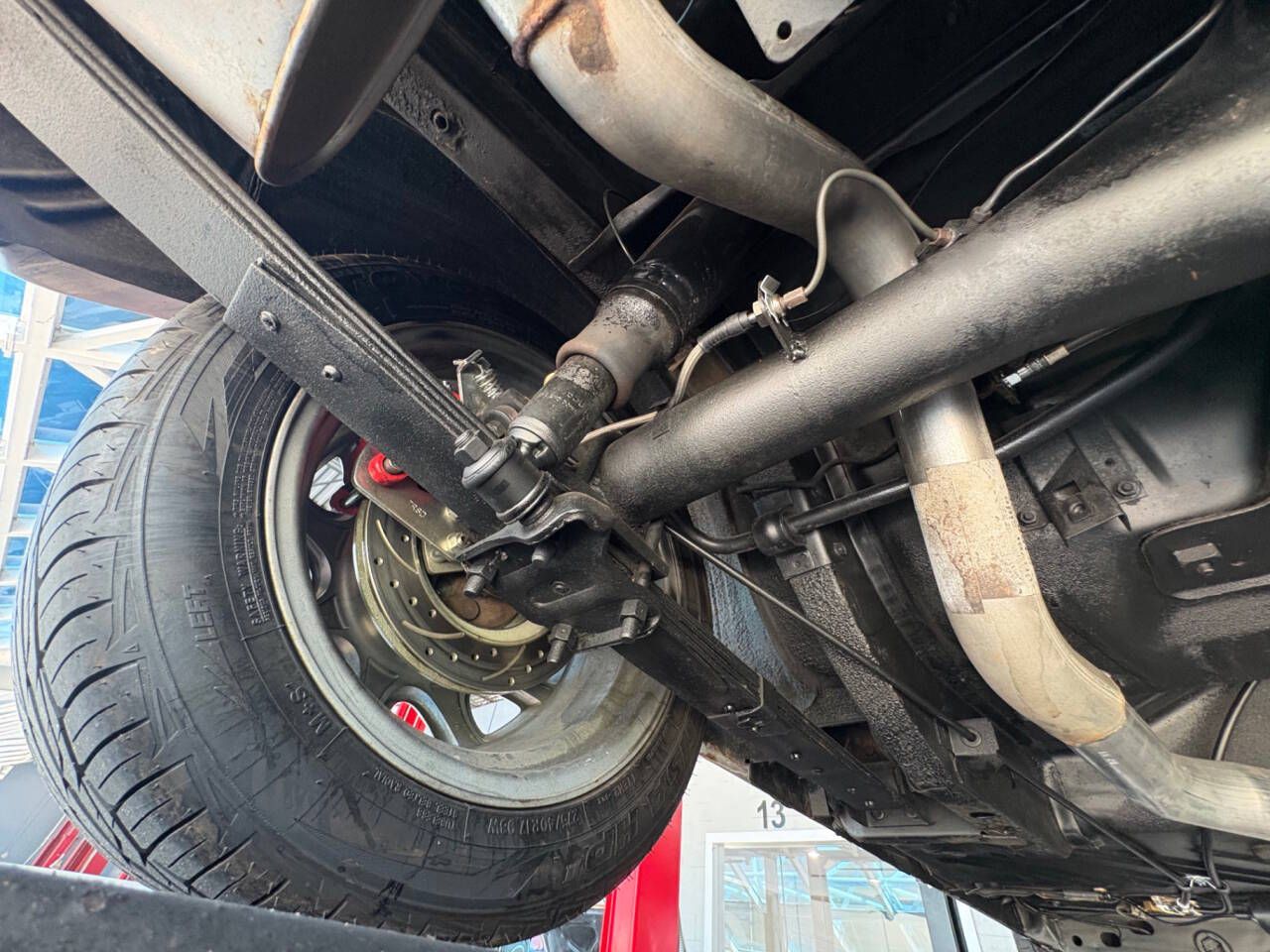
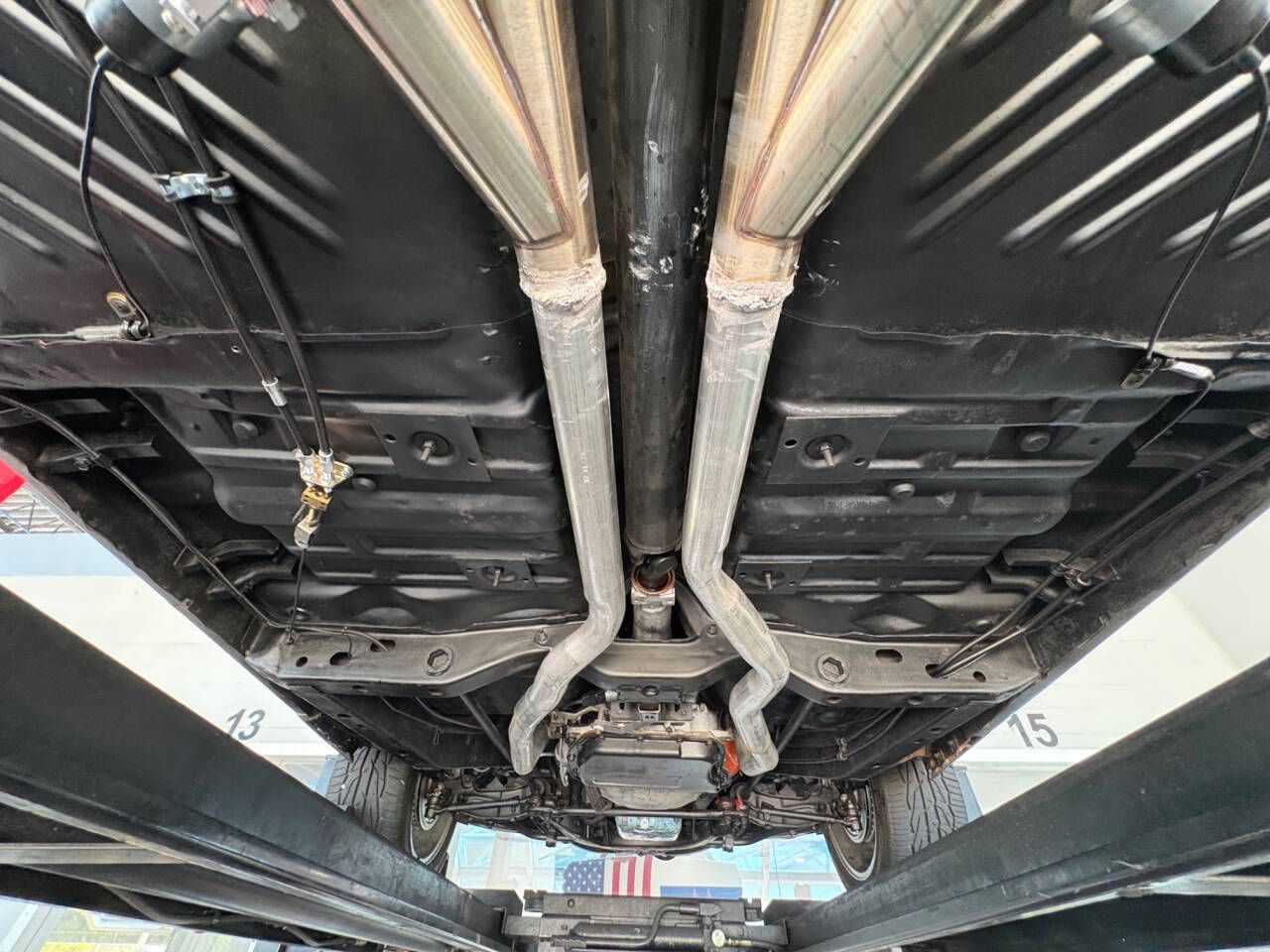
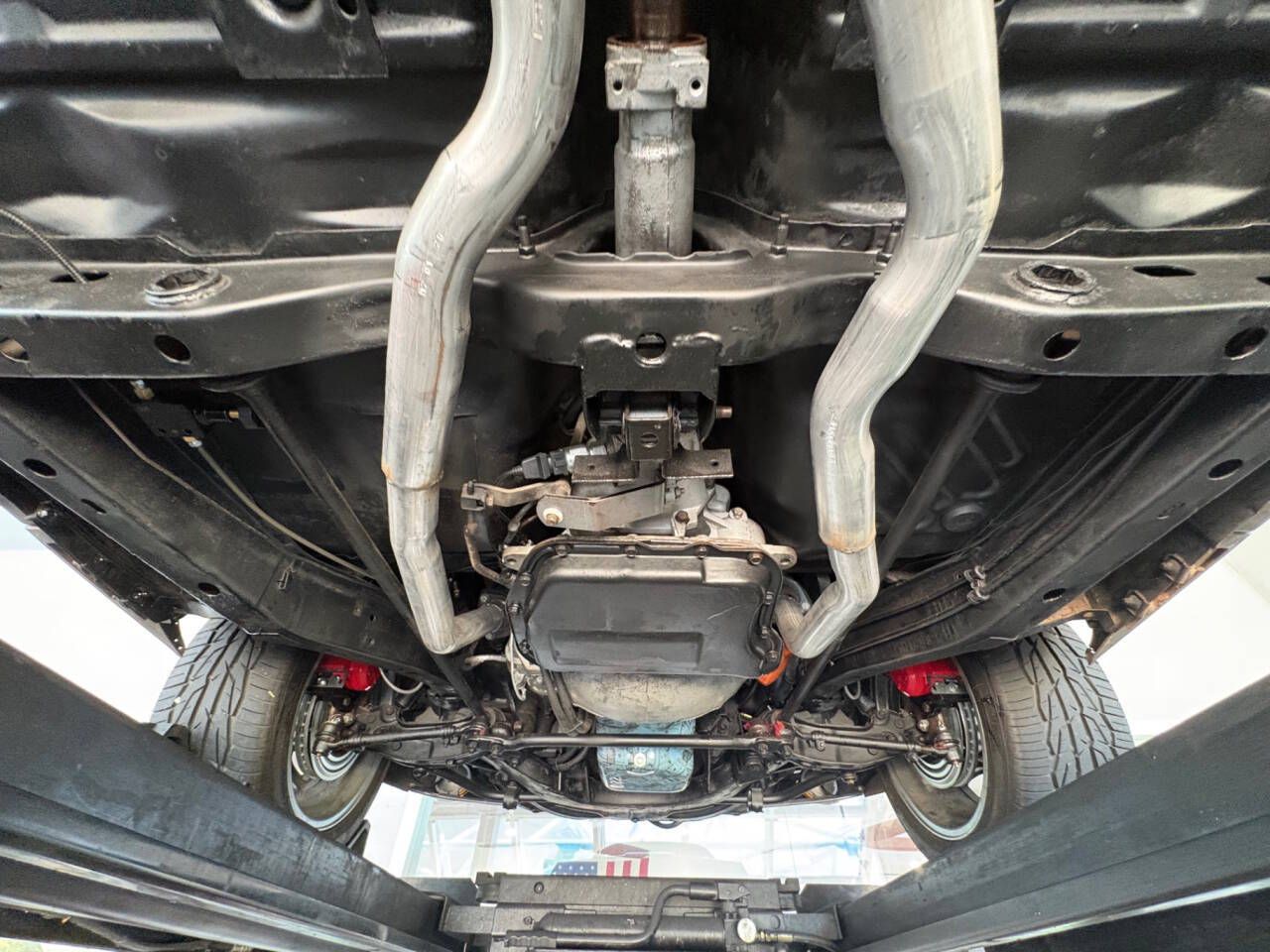
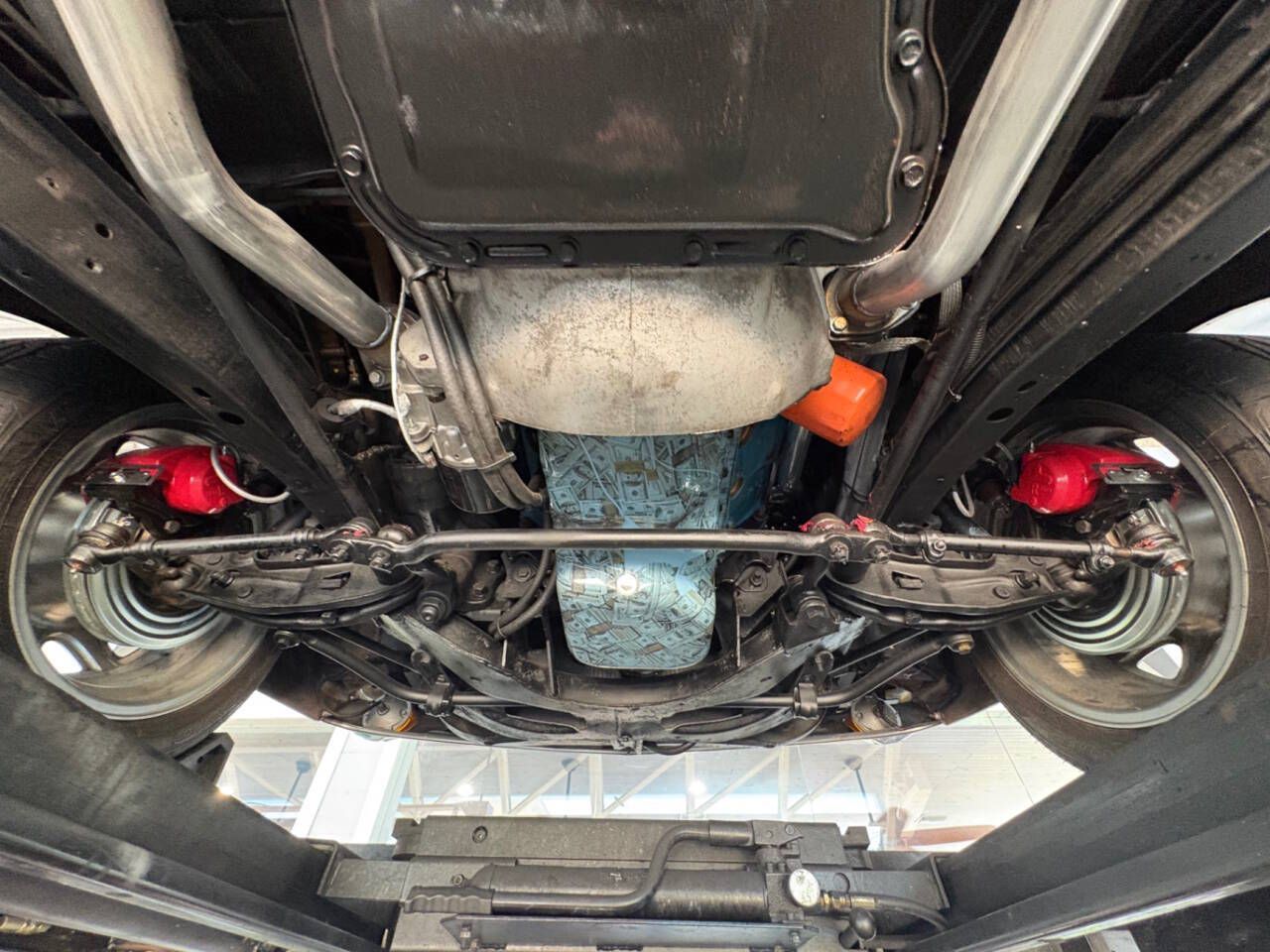
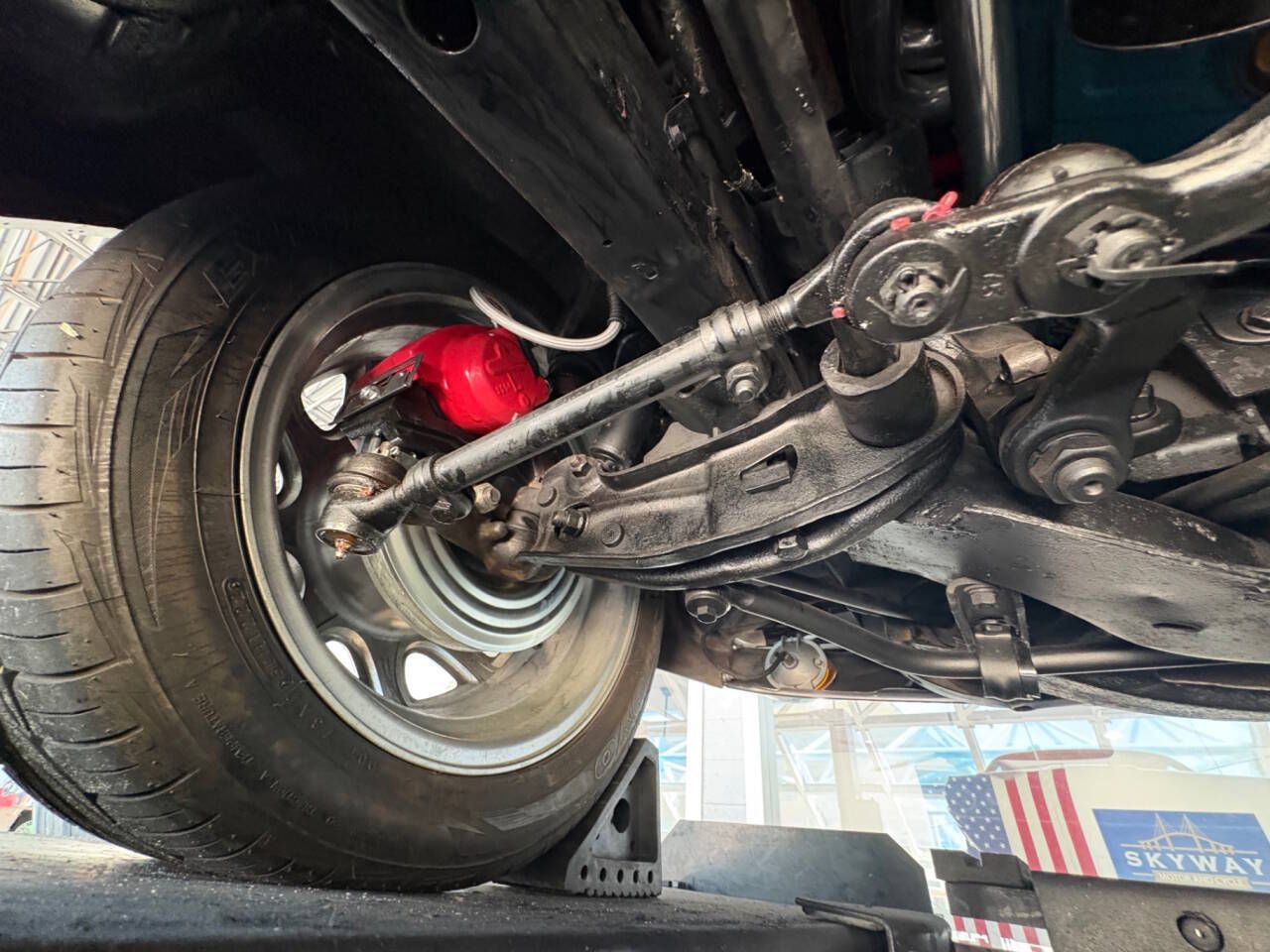
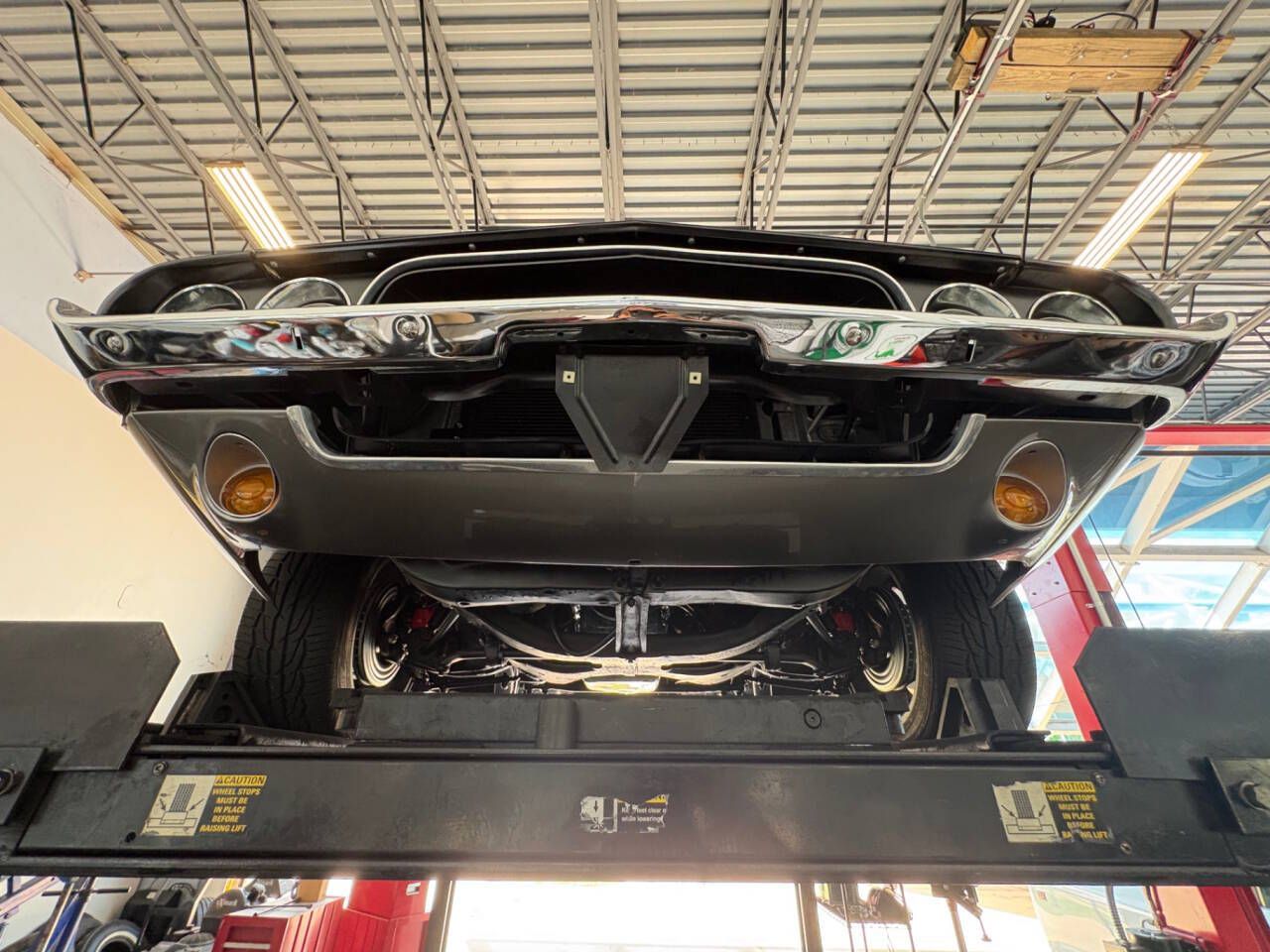
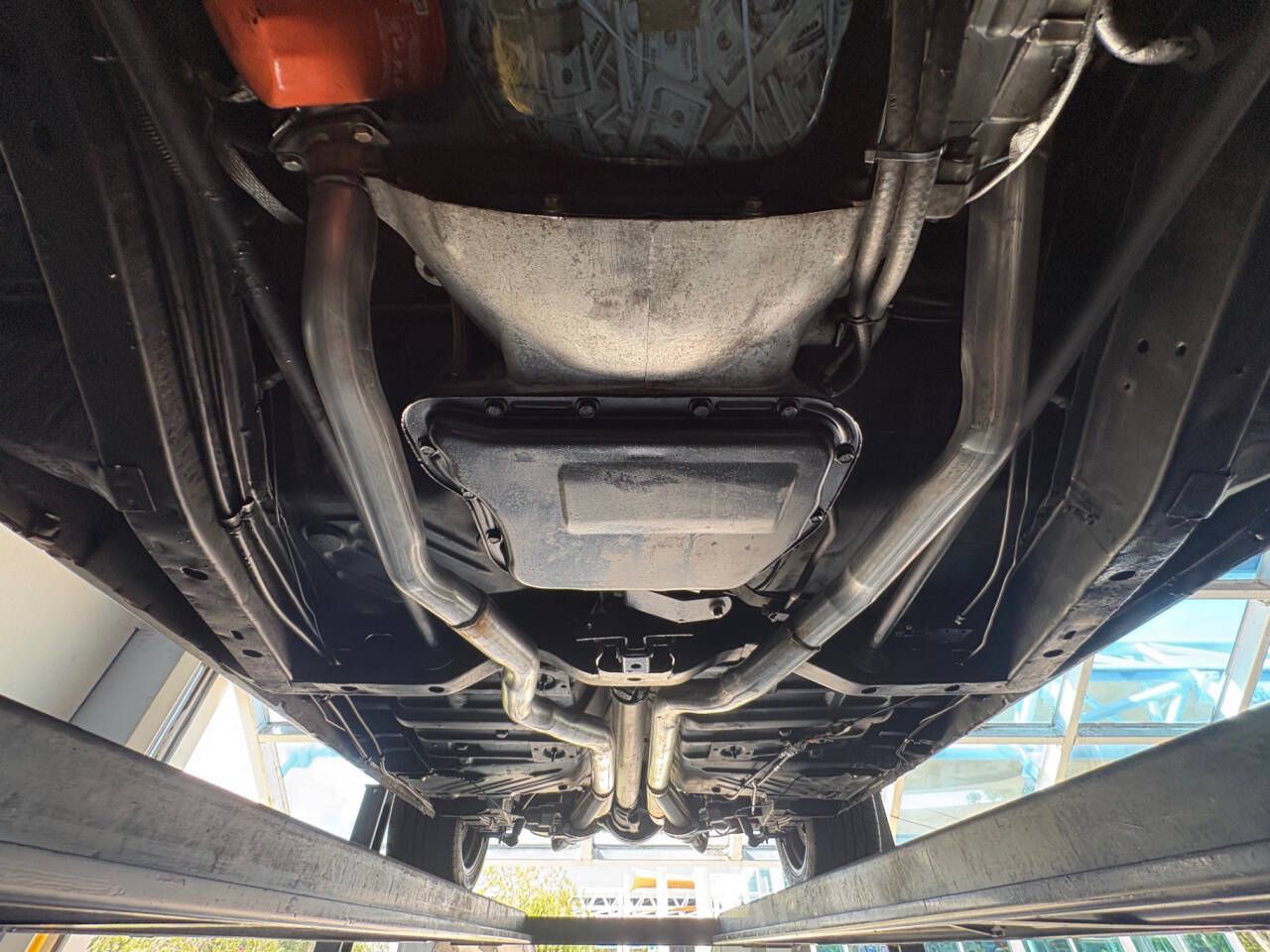
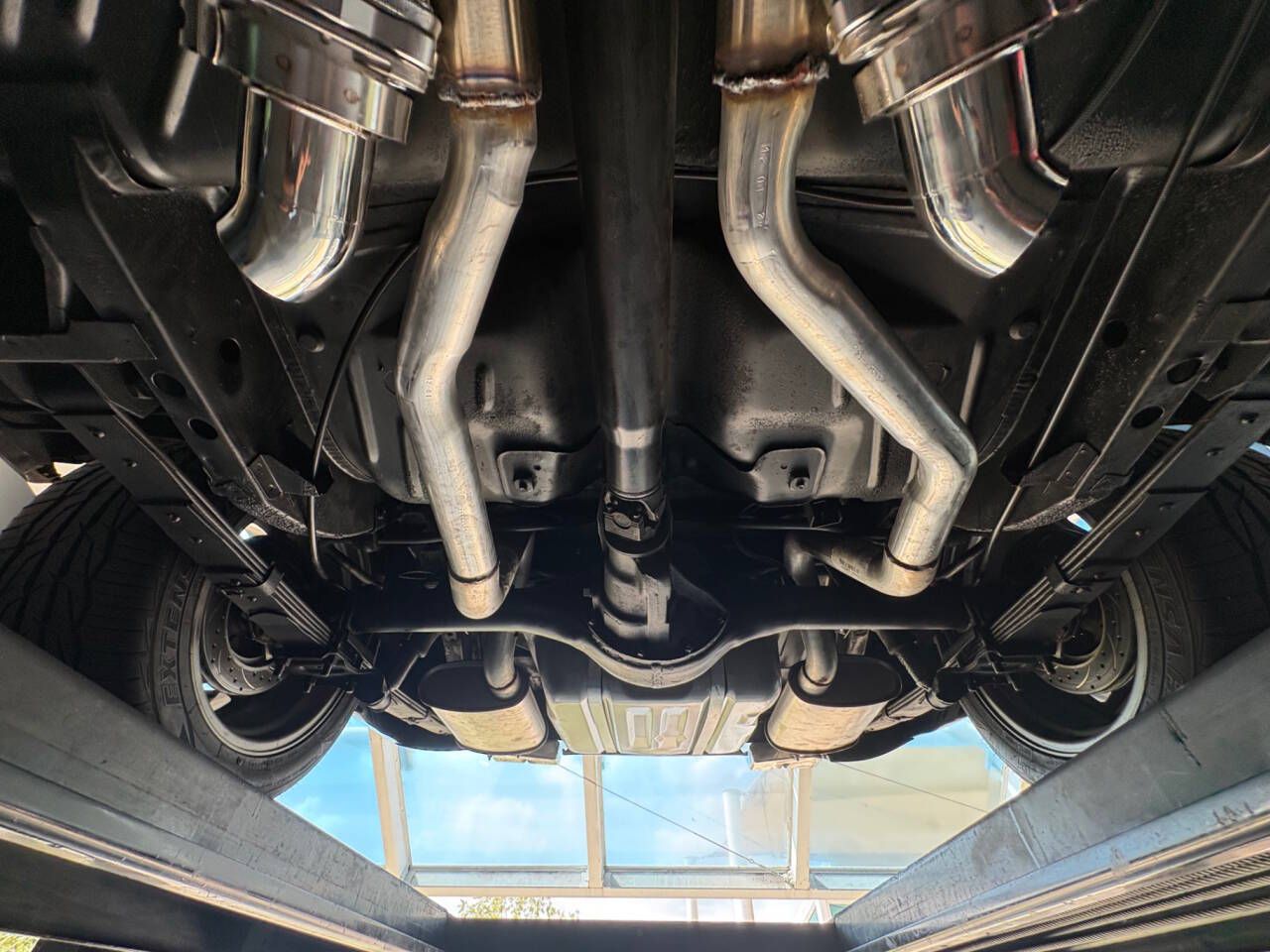
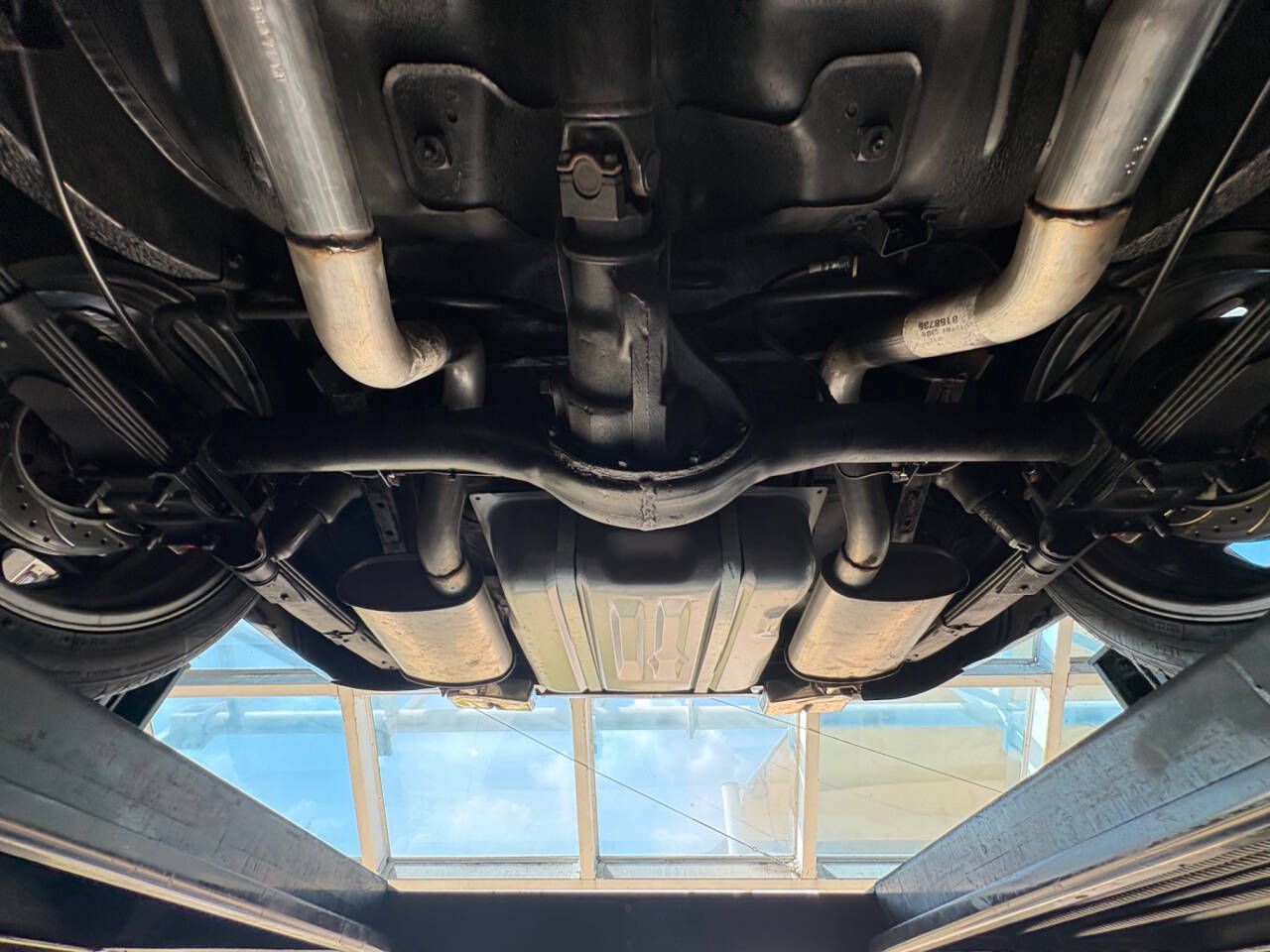
1973 Dodge Challenger 340 Rallye Package Broadcast Sheet Documented, Dark Silver Poly with Black Vinyl Top Why This Car Is Special The 1973 Dodge Challenger is the end of a short, significant story. Dodge introduced the Challenger for the 1970 model year as a direct answer to the Ford Mustang and Pontiac Firebird, built on the Chrysler E-body platform. It was a wide, low pony car with one of the largest engine option lists in its class. By 1973, however, emissions regulations, rising insurance costs, and a market shift toward economy cars had drastically narrowed what Chrysler was willing to offer. The 340 small block was pulled from production after 1973, making this the absolute last year a buyer could walk into a Dodge dealership and order a Challenger with that engine from the factory. That distinction matters to collectors, and it is one of the reasons well-optioned 1973 Challengers with documented build histories are increasingly hard to find. This particular 1973 Dodge Challenger carries the factory A57 Rallye Package, confirmed by the broadcast sheet RPO codes. The Rallye Package was Dodge's performance-appearance group for the Challenger in its later years, bundling together functional and visual upgrades that separated it from the base hardtop. What makes this car especially traceable is that the broadcast sheet survives, giving researchers and buyers a direct record of how this car was ordered and built at the factory. Build date encoded in the vehicle records places assembly at October 10, 1972, meaning this is an early 1973 model year car. The VIN structure confirms it was built at the Hamtramck, Michigan assembly plant and identifies the 340 four-barrel V8 as the installed engine the 'H' in the fifth position of the VIN is the Chrysler engine code for the 340 two-barrel or four-barrel small block, consistent with the RPO E55 four-barrel specification listed on the broadcast sheet. The color combination is Dark Silver Poly (paint code JAS) over a full black vinyl top, with a black interior. Silver over black is one of the more purposeful combinations available on the 1973 Dodge Challenger understated at a distance, precise up close. The car has been restored rather than left in raw survivor condition, which means the mechanicals, interior, and exterior all present at a level appropriate for driving and showing without the anxiety of a fragile unrestored car. Features List - 340 CID 4-Barrel V8, 275hp (RPO E55) final model year this engine was offered in the Challenger - Factory A57 Rallye Package, confirmed by broadcast sheet RPO codes - Light Duty Automatic Transmission (RPO D34) - Restored factory air conditioning with heater (RPO H51) - New power disc brakes - Sport Hood with inside hood release (RPO J54 / J52) - Hood and fender-mounted turn signal indicators (RPO L31) - OS Dual Racing Mirrors (RPO G36) - Center console with woodgrain panel (RPO C16) - Black bucket seats (RPO C56 / A6X9), restored with leather upholstery - Full door panels - Full black vinyl top (RPO V1X) - Black longitudinal stripes (RPO V6X) - Simulated louvers (RPO M08) - Tachometer - Dual exhaust with chrome tips - Roof drip rail moldings - Solid state AM radio - 26-inch radiator (RPO 26) - Custom air cleaner - Polished aluminum wheels - Chrome bumpers, front and rear - Factory build date: October 10, 1972 - Clean undercarriage Mechanical The 340 cubic inch small block is the correct engine for this car and one of the better reasons to seek out a 1973 Dodge Challenger specifically. Chrysler's 340 had a strong reputation throughout its production run from 1968 to 1973. It used a high-winding, free-breathing design with a short stroke relative to its bore, which gave it a character distinct from the longer-stroke LA engines. In RPO E55 four-barrel configuration for 1973, it was rated at 275 horsepower a number that reflected the industry's shift to net horsepower ratings that year rather than gross, so direct co